Table of Contents
In many cases, yes. A large share of herniated discs improve without surgery, and research has documented that some herniated discs actually shrink or reabsorb on their own over several months as the body gradually clears the displaced disc material. Surgery is usually reserved for a smaller group of people with specific, progressive nerve problems that do not respond to conservative care. For most people dealing with a herniated disc in Seneca, SC, non-surgical treatment is a reasonable and evidence-supported first step.
Do Herniated Discs Heal on Their Own?
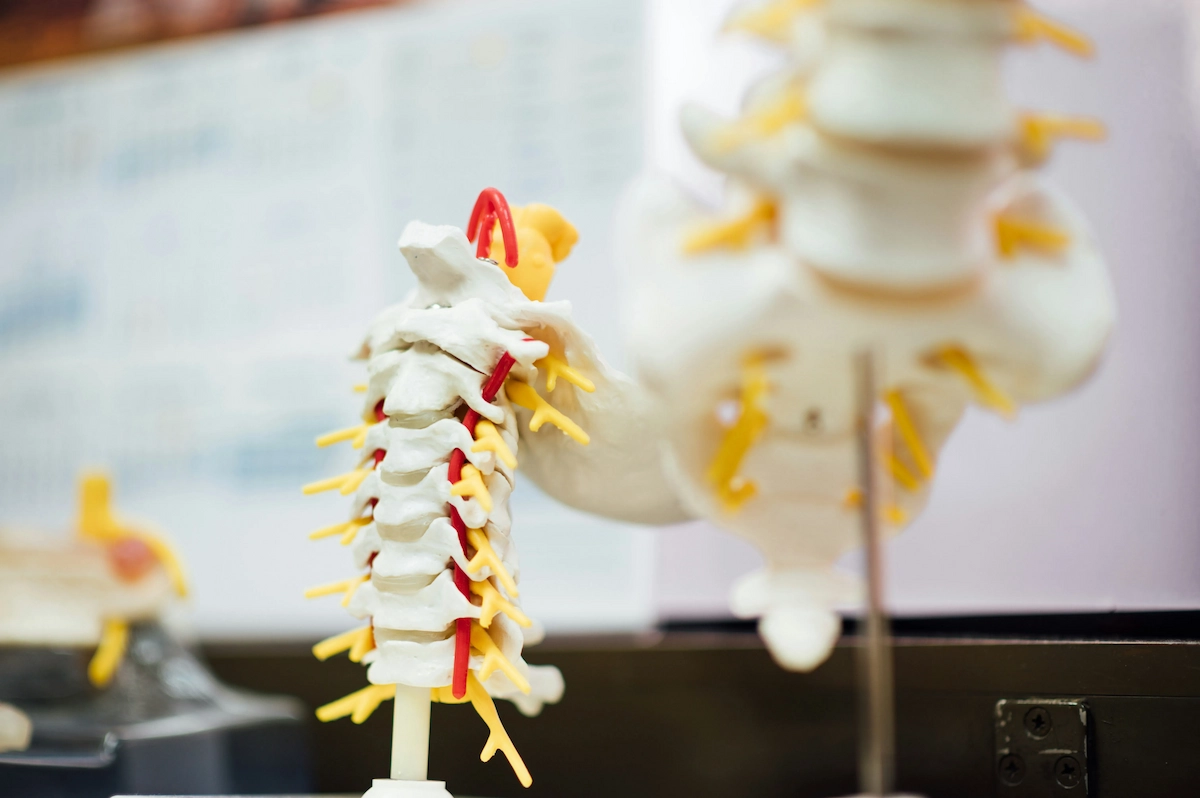
A herniated disc happens when the soft center of a spinal disc pushes through a tear in its tougher outer layer. That displaced material can press on nearby nerves, which is what triggers pain, numbness, or weakness that travels into an arm or leg.
Here’s the part that surprises most people. The body often treats that displaced material as something to clean up. Immune cells slowly break it down and absorb it, a process researchers call spontaneous regression. In many people the fragment shrinks over weeks to months, and symptoms ease along with it.
This is also why your pain level and your MRI don’t always match. Plenty of people have disc bulges on imaging and feel nothing at all, while others have significant pain from a relatively small herniation. The goal of care is to calm the irritated nerve and support natural healing, not simply to erase a finding on a scan.
What the Research Says About Non-Surgical Recovery
Studies following people with herniated discs have found that a significant portion improve with conservative treatment alone, without ever needing an operation. Imaging research has also captured herniated discs getting smaller over time on their own, sometimes disappearing almost entirely.
Comparisons between surgery and non-surgical care show something worth knowing. Surgery often relieves leg pain faster in the first few weeks. But over the longer term, many people who choose non-surgical care catch up and reach similar results. That makes conservative treatment a sensible starting point for most, as long as there are no urgent warning signs.
The takeaway is not that surgery is wrong. It is that time, combined with the right non-surgical support, resolves a great many herniated discs that once would have gone straight to the operating room.
How Non-Surgical Care Supports Healing
Letting a disc heal does not mean doing nothing and waiting it out in pain. The right care lowers the load on the disc, settles the nerve, and helps you move normally again while your body does its work.
Reducing pressure on the disc
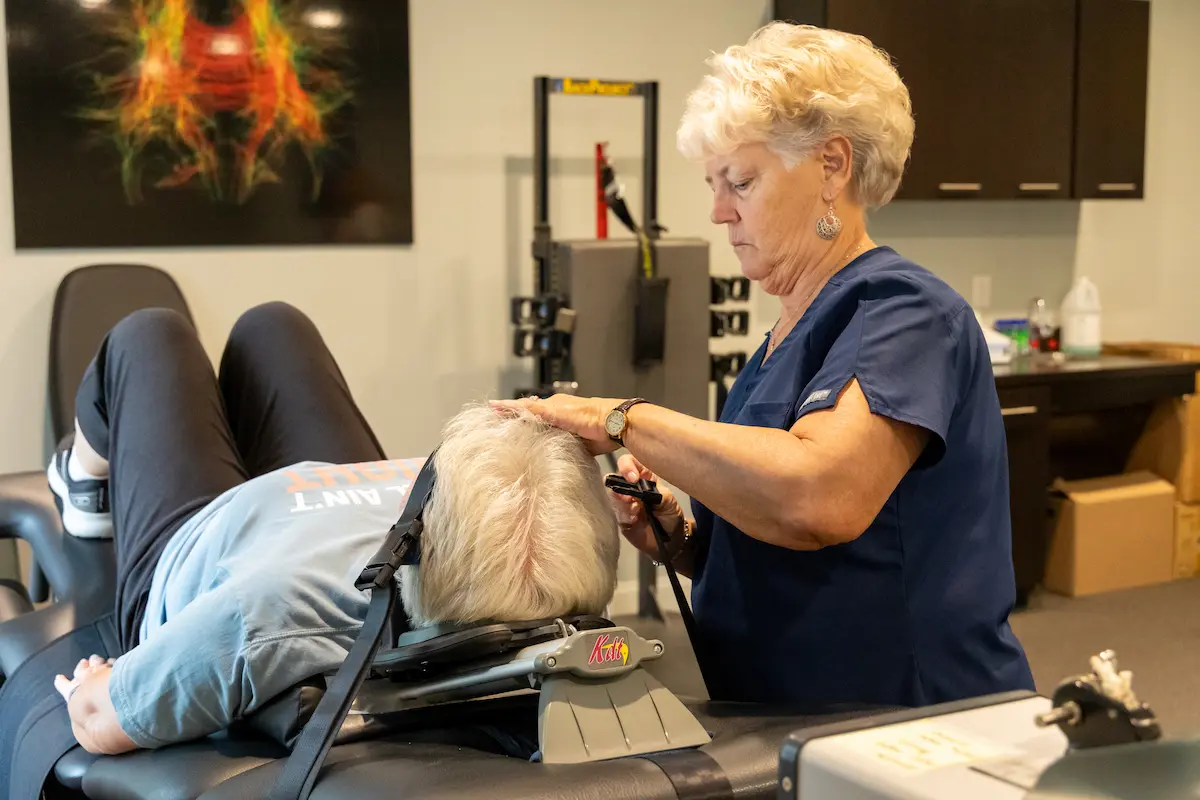
One of the main goals is taking mechanical pressure off the injured disc and the nerve it is irritating. Spinal decompression uses gentle, controlled traction to reduce pressure inside the disc, which can create space for the displaced material to draw back in and improve circulation to the area. It is non-surgical, and sessions are comfortable enough that many patients relax completely.
Restoring movement and function
Once the acute flare settles, restoring healthy movement matters. Neurologically informed chiropractic care can help restore joint motion and reduce the nerve interference that keeps a disc problem stuck. The aim is a spine that moves and shares load the way it should, so the same segment is not overworked again.
If you want practical steps you can start with, our guide on how to fix a herniated disc walks through home strategies and in-office options in more detail. You can also read more about how we approach herniated and bulging disc pain specifically.
When Surgery Might Be Necessary
Non-surgical care fits most people, but not everyone. Some situations call for prompt medical evaluation, and a few are emergencies.
See a specialist soon if you have leg or arm weakness that is getting worse, pain that is severe and unrelenting despite weeks of good conservative care, or numbness that keeps spreading. These may suggest a nerve under enough pressure that it needs a closer look.
Seek emergency care right away if you notice loss of bladder or bowel control, or numbness around the groin and inner thighs. This rare pattern can signal a serious problem that needs urgent treatment. When we see red flags like these at Spine Care, we refer for imaging or surgical consultation without hesitation, because honest co-management is part of good care.
What Recovery Looks Like at Spine Care
We take a root-cause approach rather than chasing the pain from visit to visit. Your first visit is a full evaluation, and your second is dedicated to reviewing the findings and walking you through a plan before any treatment begins. No same-day guesswork.
That process matters more with disc problems than people expect, because the disc that hurts is often not the whole story. Dr. Eric Blundy is a Board-Certified Chiropractic Neurologist and Registered Nurse, which shapes how carefully we assess nerve involvement before recommending anything. You can learn more about his background on the Dr. Blundy bio page. Patients travel to Seneca from across the Upstate specifically for this kind of complex, non-surgical care.
Frequently Asked Questions
How long does a herniated disc take to heal without surgery?
Many people notice meaningful improvement within several weeks, with continued progress over a few months as the disc calms and the body reabsorbs displaced material. Timelines vary based on the size of the herniation and your overall health.
Can a herniated disc come back after it heals?
It can, especially if the underlying movement patterns or load on the spine are not addressed. This is exactly why we focus on the root cause and long-term function, not just short-term relief.
Is it safe to exercise with a herniated disc?
Gentle, guided movement is usually helpful, but the right activity depends on your specific case. It is best to have your disc evaluated first so your plan fits your situation rather than a generic routine.
Move Freely. Live Fully.
If a herniated disc has you wondering whether surgery is your only option, it is worth exploring non-surgical care first. Call Spine Care at (864) 882-5191 or reach out through our contact page to schedule an evaluation. New patients can also take advantage of our $79 new patient special, which includes a consultation, exam, and personalized plan.