Table of Contents
Sometimes, yes. Pain you feel in your hip can actually be coming from your lower back, because the nerves that travel from your spine pass right through the hip and down the leg. True hip joint problems and back-related pain can feel surprisingly similar, which is exactly why they get confused so often. Real relief starts with figuring out where the pain is coming from in the first place. For people in Seneca and across the Upstate, that one distinction can change the entire treatment plan.
Why Hip and Back Pain Get Confused
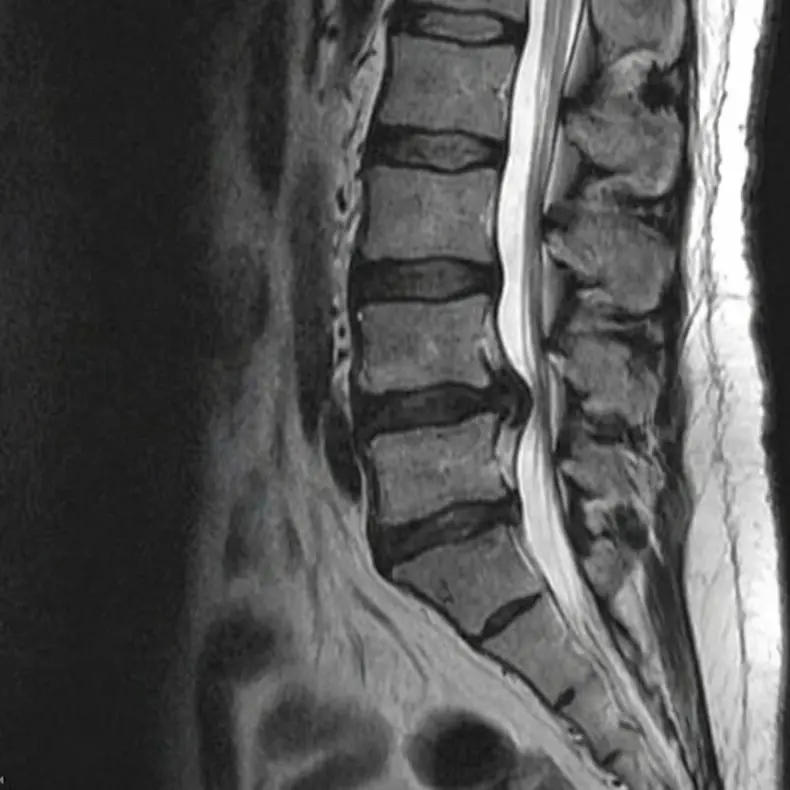
The hip and the lower back are close neighbors that share a lot of wiring. Nerves that begin in your lumbar spine travel down through the hip, buttock, and leg, so a problem up in the back can send pain to places far from the actual source.
This is called referred pain, and it is common. Your brain is not always great at pinpointing exactly where a nerve signal started, so a compressed nerve in the back can register as an ache deep in the hip. The reverse happens too, where a genuine hip problem creates pain that spreads into the back and thigh.
The result is a lot of people treating the wrong area and wondering why they are not getting better.
How to Tell the Difference
While only an evaluation can say for sure, a few patterns offer clues about whether your pain is more likely coming from the hip joint or the back.
| Clue | More likely the hip joint | More likely the back |
|---|---|---|
| Where it hurts | Groin, deep in the hip, or buttock | Lower back, radiating into the leg |
| Pain that travels | Usually stays around the hip and thigh | Often shoots below the knee |
| Numbness or tingling | Uncommon | Common, along the leg or into the foot |
| What aggravates it | Rotating the hip, standing, walking | Bending, sitting, coughing or sneezing |
| Stiffness | Hip feels stiff or catches | Back feels stiff, especially in the morning |
Keep in mind these are general tendencies, not hard rules, and the two problems can overlap. Still, noticing your pattern gives you and your provider a useful starting point.
When Hip Pain Is Coming From Your Back
Several back problems are known for masquerading as hip pain. The common thread is a nerve being irritated somewhere in the lower spine.
A herniated or bulging disc can press on a nerve root and refer pain into the hip and leg. Sciatica is a classic example, sending pain from the lower back through the buttock and down the leg. Joint restriction in the lower back or the sacroiliac joint can also create pain that feels like it belongs to the hip. When the true source is the spine, treating the hip alone rarely helps, and you can read more about how we address ongoing low back pain that spreads.
When It’s a True Hip Problem
Of course, sometimes the hip really is the culprit. Pain felt deep in the groin is often a sign the hip joint itself is involved.
Hip osteoarthritis, cartilage wear, and general joint degeneration can all produce pain, stiffness, and trouble with movements like rotating the leg or getting in and out of a car. In these cases, the focus shifts to the joint. Our approach to hip pain and arthritis looks at the joint directly, and for the right candidate, regenerative medicine may help calm inflammation and support the joint as a non-surgical option.
Why Getting the Source Right Matters
This is not just a technical detail. It is the difference between getting better and staying stuck.
If your pain is coming from your back but every treatment targets your hip, you can spend months without progress. Identifying the true source first means the treatment actually lands where the problem is, which tends to save both time and frustration.
How Spine Care Finds the Real Source
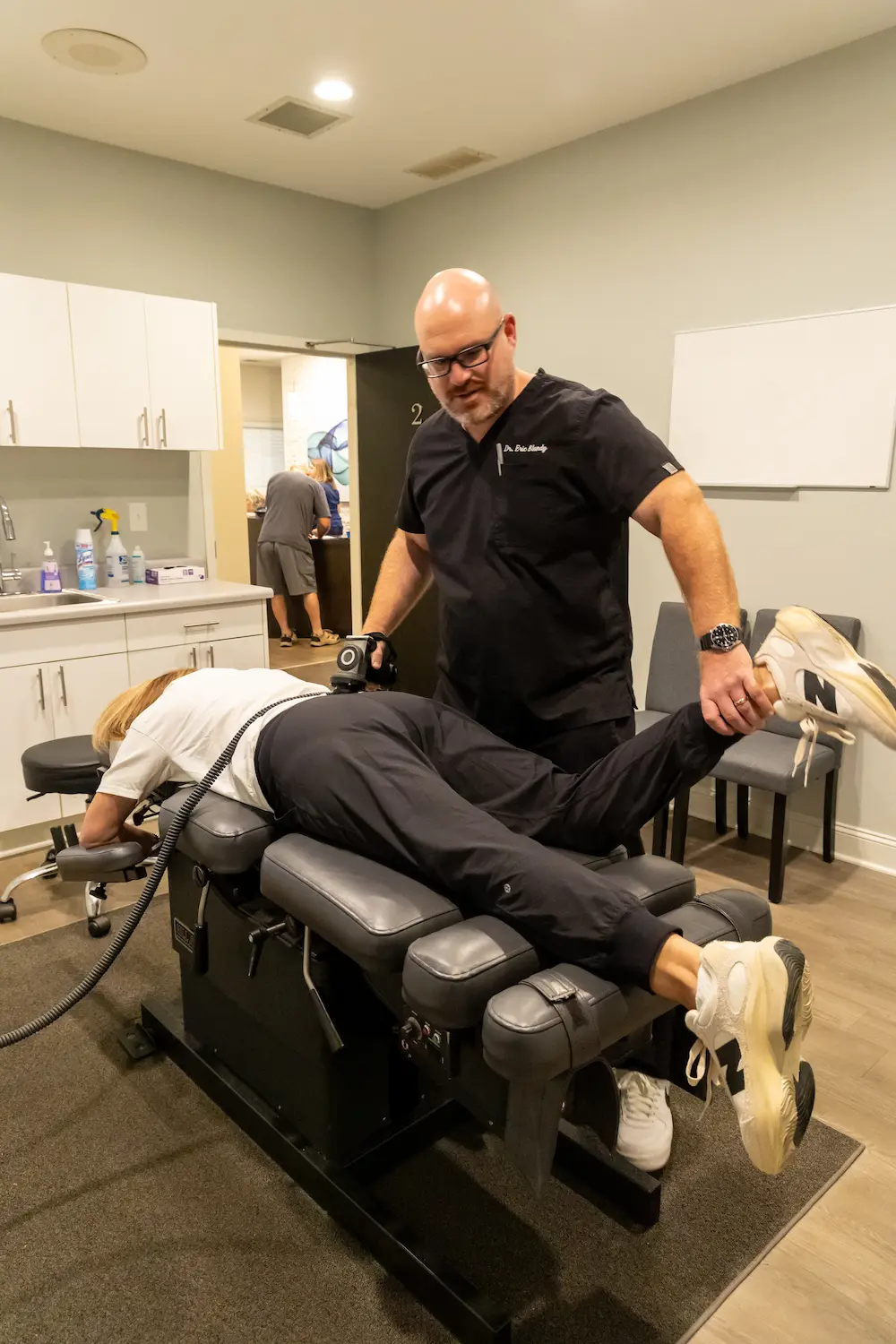
We start by sorting out where the pain is truly coming from. Your first visit is a full evaluation that looks at the hip and the spine together, and your second is set aside to review the findings and explain a plan before any treatment begins.
Dr. Eric Blundy is a Board-Certified Chiropractic Neurologist and Registered Nurse, a background that is especially helpful when nerve-related and referred pain are in play. That kind of careful assessment is why patients travel to our Seneca clinic from across the Upstate, often after other providers focused on the wrong area. You can also explore our chiropractic care approach.
Frequently Asked Questions
Can a pinched nerve in my back cause hip pain?
Yes. A compressed nerve in the lower spine can refer pain into the hip, buttock, and leg, which is one of the most common reasons hip pain and back problems get mixed up.
How do I know if my hip pain is serious?
Pain that is severe, worsening, or accompanied by leg weakness or numbness deserves a professional evaluation. Seek urgent care for hip pain after a significant fall or injury, or any loss of bladder or bowel control alongside back or leg symptoms.
Move Freely. Live Fully.
If hip pain has not improved, it may be time to find out where it is really coming from. Call Spine Care at (864) 882-5191 or get in touch here to schedule an evaluation, and ask about our $79 new patient special.