A herniated disk can feel scary, especially when pain shoots into the leg or arm, or when simple movements trigger sharp discomfort. The good news is that many people improve with the right combination of smart activity, symptom relief strategies, and structured conservative treatment. Below is a clear, step-by-step guide to what to do first, what tends to help at home, and what nonsurgical options may be recommended.
Understanding Herniated Disks
What is a Herniated Disk?
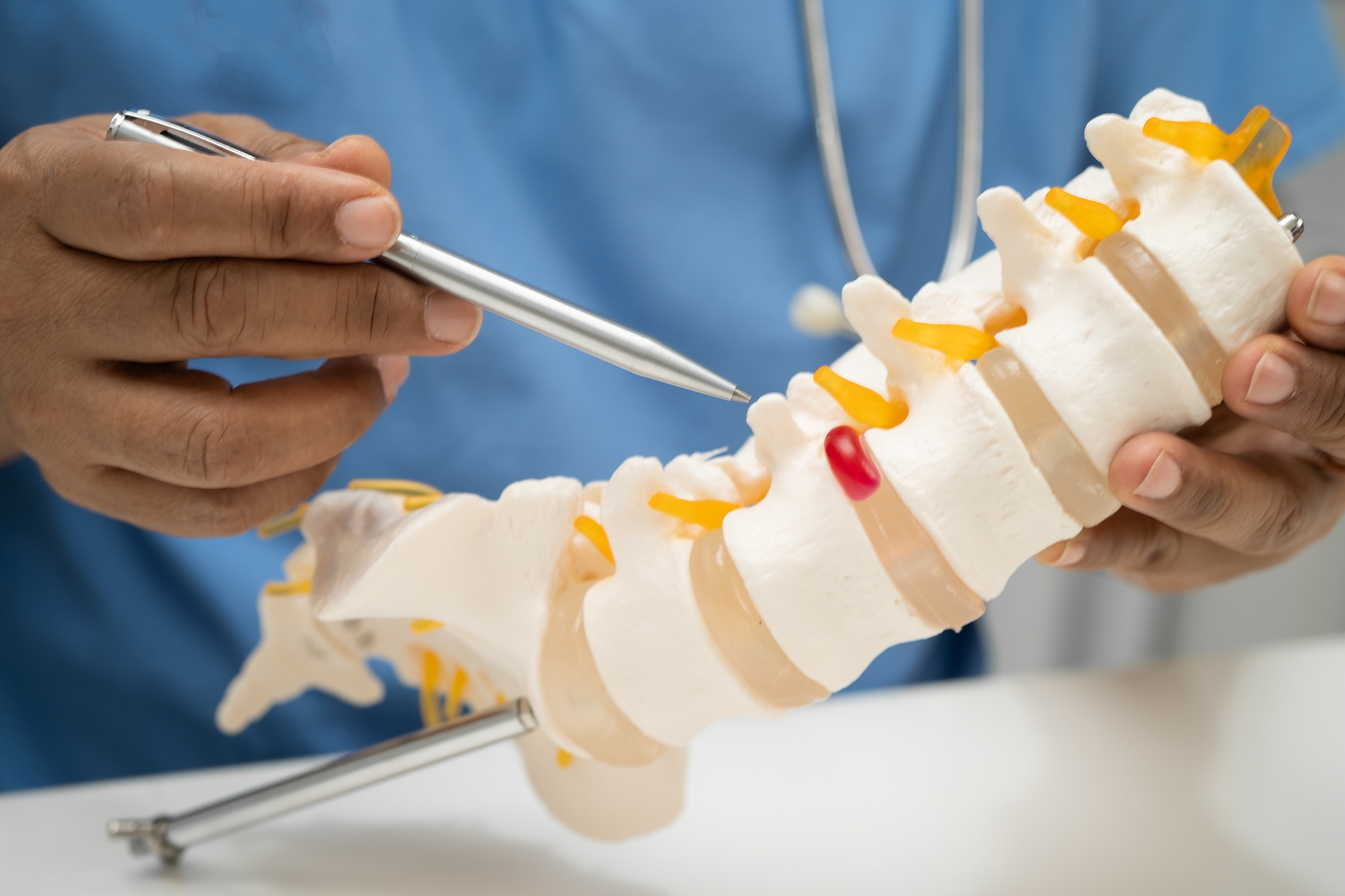
Your spine is made of bones (vertebrae) stacked with soft “shock absorbers” (disks) between them. A disk has a tougher outer layer and a softer, gel-like inner portion. A herniated disk happens when disk material pushes out of its normal space and can irritate nearby nerves.
Herniations can occur in different regions of the spine:
Low back (lumbar): often linked to buttock/leg symptoms (commonly associated with sciatica-like pain patterns)
Neck (cervical): can refer symptoms into the shoulder, arm, or hand
Not every herniated disk causes symptoms. Some show up on imaging in people who feel fine. Symptoms usually come from inflammation and nerve irritation, not just the disk shape itself.
For additional background on this condition, see our clinic’s page on herniated disks.
Common Symptoms and Causes
Common symptoms may include:
Back or neck pain that worsens with certain movements
Pain that radiates into an arm or leg
Tingling, “pins and needles,” or numbness
Muscle tightness or spasms
Pain that increases with coughing, sneezing, or straining
Reduced tolerance for sitting, bending, or lifting
Common contributing factors include:
Repetitive bending/twisting, especially under load
Prolonged sitting and poor posture
Sudden strain (lifting, sports, or awkward movement)
Deconditioning (weak core/hip support)
Age-related disk wear and tear
Symptoms that travel into the leg are often discussed in relation to sciatica.
Immediate Steps: First 24 to 48 Hours
In the first day or two, your goal is to reduce irritation and avoid the traps that keep symptoms stuck – like total inactivity or “pushing through” high-pain movements.
1) Limiting Rest and Gradually Returning to Activity
A little rest can be helpful, but too much bed rest often backfires. When you stop moving entirely, muscles tighten, joints stiffen, circulation slows, and pain can become more persistent.
What to do instead (general guidance):
Keep activity light and frequent (short walks, gentle position changes)
Avoid long periods in one posture (sitting or lying down for hours)
Reduce bending, twisting, and heavy lifting temporarily
Use “pain as a guide”: choose movements that don’t spike symptoms
A practical rule: aim for comfortable motion several times a day rather than one big activity session that triggers a flare.
2) Using Heat and Cold Therapy
Heat and cold can be simple and effective tools, especially early on.
Cold therapy (often helpful early):
Helps calm “hot,” irritated pain and inflammation-like symptoms
Use a cold pack wrapped in a towel
Try short intervals, then reassess comfort
Heat therapy (often helpful for tightness):
Helps relax muscle guarding and stiffness
Use a warm pack or heating pad at a comfortable temperature
Avoid falling asleep with the heat on
Many people alternate heat and cold based on what feels better. The “right” one is the one that reduces your symptoms without making them worse.
Quick Relief Methods at Home
Home strategies won’t “push the disk back in,” but they can reduce nerve irritation, relax protective muscle spasm, and improve your ability to move – often the fastest path to real relief.
1) Gentle Exercise for Back Pain Relief
The keyword is gentle. Early on, think about basic mobility and stability, not aggressive stretching or high-intensity workouts.
Helpful movement ideas (general, non-prescriptive):
Short, easy walks on level ground
Gentle hip and low-back mobility that stays in a comfortable range
Light core engagement exercises that don’t provoke radiating pain
Controlled breathing paired with relaxed posture changes
What to avoid at first (commonly aggravating):
Deep forward bends and toe-touch stretches if they increase symptoms
Fast twisting motions
Heavy lifting, especially from the floor
Exercises that reproduce sharp, shooting pain in an arm/leg
If you’re not sure what’s safe, a structured plan can help. Spinecare SC offers guided exercises as part of a personalized approach.
2) Massage for Symptom Relief
Massage can be useful when pain is amplified by muscle guarding and tension around the affected area. While it typically won’t change the disk itself, it may:
Reduce muscle tightness
Improve circulation
Lower stress-related tension that worsens pain sensitivity
Make it easier to tolerate gentle movement and rehab
Tips for smarter massage:
Focus on surrounding tight muscles rather than pressing directly on the most painful spinal spot
Keep pressure moderate – more pressure is not always better
Stop if symptoms start radiating further (for example, pain traveling farther down the leg)
3) Lifestyle Changes to Prevent and Manage Pain
Small daily choices often determine whether a flare settles down or keeps restarting.
Position and posture resets
Change positions frequently (set a timer if needed)
When sitting, support the low back and keep feet grounded
Avoid slumping forward over phones or laptops for long stretches
Smarter lifting
Keep loads close to your body
Avoid twisting while lifting
Break heavy tasks into smaller steps
Sleep setup
Choose a position that reduces symptoms (many feel better with knees supported)
Try gentle heat beforehand if stiffness worsens at night
These basics may sound simple, but they often make the difference between short-lived pain and weeks of recurring irritation.
Nonsurgical Treatments for Herniated Disk
If at-home methods aren’t enough – or if pain is interfering with work, sleep, or daily activity – nonsurgical care can help build a more reliable recovery plan.
1. Chiropractic Care and Spinal Decompression
Two commonly discussed conservative options for disk-related symptoms include chiropractic care and spinal decompression.
Chiropractic care may be used to support:
Spinal and joint mobility
Movement quality and alignment
Reduction of mechanical stress that aggravates symptoms
Learn more about chiropractic care.
Spinal decompression is a nonsurgical approach that aims to reduce pressure on spinal structures and support more comfortable movement patterns for some patients dealing with disk-related pain patterns.
Learn more about spinal decompression.
Your plan may depend on symptom location (neck vs. low back), how irritable the pain is, and how your body responds to early care.
2. Shockwave Therapy
Some people benefit from additional supportive therapies that help address pain and tissue irritation patterns, especially when symptoms have lingered or when muscle/tendon components are contributing to discomfort.
Shockwave therapy is a non-invasive treatment that may be used in a broader pain management plan. Explore shockwave therapy.
This therapy is not an “instant cure,” but it can be a valuable tool, particularly when combined with the fundamentals: appropriate movement, progressive strengthening, and a plan that fits your day-to-day demands.
When to Consider Further Medical Evaluation
Many people improve without surgery, but there are times when it becomes a consideration – particularly if symptoms don’t respond to conservative care or if function continues to decline.
Signs You Need Medical Intervention
Consider prompt medical evaluation if you notice:
Pain that is worsening rather than stabilizing
Persistent or increasing numbness/tingling
Weakness in an arm or leg
Symptoms that significantly limit walking, standing, or normal daily activity
Pain that does not improve with conservative measures over time
If symptoms are severe, rapidly changing, or worrying, seek appropriate urgent medical guidance.
Consulting a Spine Specialist
If you’re unsure what’s driving your pain – or you’ve tried home care without progress – an evaluation can help identify:
Whether symptoms are likely disk-related or coming from another source
Which movements are helping vs. aggravating
What combination of therapies may be most effective for your specific presentation
At Spinecare SC, our team’s services include conservative approaches used for spine-related conditions. You can explore the broader set of services and related condition education, such as degenerative disk disease and spinal stenosis, to better understand the overlapping causes of back and leg symptoms.
Preventing Future Herniated Disk Problems
Prevention isn’t about never moving your spine – it’s about building capacity and control so normal life doesn’t keep triggering flare-ups.
Core Strengthening and Exercise Programs
The “core” is more than abs. It includes the muscles that help control the trunk, pelvis, hips, and ribcage during everyday tasks.
A sustainable prevention plan often includes:
Progressive core endurance work (not just high-rep sit-ups)
Glute and hip strengthening to reduce overload on the lower back
Controlled mobility for hips and upper back (so the low back doesn’t do all the work)
Graded exposure to lifting and bending patterns you need in real life
Spinecare SC offers structured exercise programs that can be tailored to your starting point – whether you’re returning from a flare-up or trying to prevent the next one.
Ergonomic and Lifestyle Adjustments
Ergonomics doesn’t need to be complicated – think “less strain, more variety.”
At a desk
Keep screens at a comfortable height
Support your lower back
Stand up and move briefly every so often
In the car
Adjust the seat to reduce slumping
Take brief breaks on longer drives if symptoms build
In daily routines
Use a hip hinge pattern for bending when appropriate
Avoid repetitive awkward twisting
Plan heavier chores for times when you’re less stiff (often later in the day)
Prevention is crucial. Quick relief matters, but long-term consistency is what keeps you active.
Conclusion: Finding the Right Treatment for You
Fixing a herniated disk usually comes down to a practical sequence: calming symptoms in the first 24–48 hours, staying gently active, using heat/cold and simple home strategies for relief, and building a structured nonsurgical plan that may include chiropractic care, spinal decompression, and supportive therapies like shockwave therapy. If symptoms persist, worsen, or include weakness or significant function loss, it’s time for a more in-depth medical evaluation.
The most effective path is the one that matches your symptoms, your lifestyle, and your goals – so you can get out of pain and stay out of pain.
About the Author
Dr. Eric Blundy
PAIN-FREE ACTIVE LIFE