
Table of Contents
You may have a herniated disc if back or neck pain is paired with nerve-related symptoms, especially pain that radiates into an arm or leg, numbness or tingling, or noticeable weakness that follows a specific path on one side of the body. Understanding herniated disc pain often comes down to recognizing when regular soreness turns into a pattern of nerve irritation.
A herniated disc can be unsettling because symptoms may start suddenly after lifting, twisting, or an auto injury, or gradually from repetitive strain or wear over time. Some people feel only localized pain, while others develop classic pinched nerve signs that affect the shoulder and arm or hip and leg. Understanding what to look for can help you decide when to rest, when to get evaluated, and when symptoms require urgent medical attention.
What Is a Herniated Disc?
Your spine is made up of vertebrae stacked with cushioning discs between them. These discs act like shock absorbers. Each disc has a tougher outer layer and a softer, gel-like center.
A herniated disc occurs when the inner portion of the disc pushes out through a weakened or torn area in the outer layer. When that bulge or herniation presses on a nearby spinal nerve or triggers inflammation around it, you can feel symptoms far away from your back or neck, such as down the leg or into the hand.
Herniated discs commonly occur in:
- The lower back (lumbar spine), often causing leg symptoms commonly associated with sciatica
- The neck (cervical spine), often causing shoulder and arm symptoms
It is also possible to have imaging evidence of a herniated disc without major symptoms. That is why matching symptoms to a careful exam matters.
Recognizing the Signs and Symptoms
It is important to distinguish a herniation from a muscle strain, arthritis, spinal stenosis, or other causes of neck and back pain. While you cannot confirm a herniated disc at home, you can recognize symptom patterns that raise suspicion.
Common Symptoms of a Herniated Disc
1) Back or Neck Pain
Pain may be felt in the lower back, buttock, or hip area, or in the neck, upper back, or around the shoulder blade. This pain can range from a dull ache to sharp pain, often worse with certain movements such as bending forward, twisting, coughing, sneezing, or prolonged sitting. Many people describe flare-ups during activities that load the spine, such as lifting, carrying, or repeated bending.
If your main complaint is ongoing pain, it may overlap with other conditions such as degenerative disc disease or general low back pain. A focused exam helps sort out the most likely driver.
2) Pain Radiating Into the Arms or Legs
Radiating pain is one of the most recognizable nerve clues. Instead of staying in one spot, the pain may travel along a predictable route, such as from the lower back into the buttocks and down the back or side of the leg, or from the neck into the shoulder, arm, and sometimes into the hand or fingers.
This is different from soreness that spreads broadly. Nerve pain tends to feel more sharp, electric, or burning, shooting or zinging, and is often triggered by posture changes like sitting, driving, or looking down. Radiating pain does not automatically mean a herniated disc, but it is a key sign.
3) Numbness, Tingling, or Unusual Nerve Sensations
When a disc irritates a nerve, sensory symptoms may appear in the area that the nerve supplies. People often report pins-and-needles tingling, numbness or reduced feeling, and a crawling, buzzing, or asleep sensation. For example, lumbar nerve irritation may cause tingling in the calf, foot, or toes, while cervical nerve irritation may cause tingling in the forearm, thumb, or specific fingers.
4) Muscle Weakness
Weakness is an especially important symptom to take seriously. A compressed or inflamed nerve may not fire the muscles normally, leading to grip weakness or dropping objects, trouble lifting the front of the foot, difficulty standing on toes or heels, or a sense that the leg may give out. Not all weakness is obvious at first. Some people notice it only when using stairs, participating in sports, or performing repeated movements. If weakness is worsening, it is a strong reason to seek prompt evaluation.
Symptoms by Location
Because different nerves exit at different levels of the spine, symptoms often depend on where the disc is herniated.
1) Herniated Disc in the Lower Back (Lumbar)
Lumbar herniations often cause symptoms that travel into the lower body, including lower back pain plus buttock pain, pain that shoots down one leg commonly called sciatica, tingling or numbness in the leg, foot, or toes, pain that worsens with sitting, bending forward, coughing, or sneezing, and muscle weakness in the leg or foot in more significant cases. Some people describe the pain as starting in the back, but others feel mostly leg symptoms with minimal back discomfort.
2) Herniated Disc in the Neck (Cervical)
Cervical herniations may affect the shoulder and arm more than the neck itself. Symptoms may include neck stiffness or pain that spreads to the shoulder blade, radiating pain down the arm, tingling or numbness in the forearm, hand, or fingers, weakness with gripping, lifting, or pushing, and symptoms worsened by looking down, looking up, or turning the head.
What Does a Herniated Disc Feel Like?
People describe herniated disc discomfort in many ways, but these are common patterns:
- A deep ache plus sharp spikes with certain movements
- Burning or electric pain that travels along a line down the arm or leg
- Symptoms that change with posture, such as worse sitting and better walking, or the reverse
- A feeling of tightness in the hamstring, calf, or forearm that does not resolve with typical stretching
- Intermittent flares: better for a few days, then suddenly aggravated again
A helpful self-check is to notice whether symptoms follow a consistent route, for example always down the outside of the calf into specific toes, and whether coughing or sneezing reliably increases the pain. Those patterns may suggest nerve involvement rather than a simple muscular strain.
Warning Signs That Need Immediate Medical Attention
Most back and neck pain is not an emergency. However, certain symptoms can signal significant nerve involvement or other serious problems and should not be ignored.
Seek urgent medical evaluation if you experience:
- New loss of bowel or bladder control
- Numbness in the groin or saddle area
- Rapidly worsening weakness in an arm or leg
- Severe, unrelenting pain that does not ease with rest and is escalating quickly
- Major symptoms after a significant trauma such as a fall or car accident
- Fever or unexplained illness along with back pain
When to Seek Emergency Treatment
Go to emergency care right away if you have sudden bowel or bladder changes, saddle-area numbness, progressive weakness that is rapidly worsening, or severe neurologic symptoms after trauma. When in doubt, err on the side of safety, especially if symptoms are new, severe, or changing quickly.
Next Steps: Diagnosis and Treatment Options
A herniated disc diagnosis typically starts with a detailed history and physical exam. A clinician will usually ask about where the pain starts and where it travels, what movements or positions worsen or relieve it, any numbness, tingling, or weakness, how symptoms affect walking, sleep, work, or sports, and whether the issue began after lifting, twisting, or an injury.
The physical exam may include checks of reflexes, sensation, strength in specific muscle groups, range of motion and movement tolerance, and nerve tension signs showing how symptoms respond when the leg or arm is positioned in certain ways. Imaging such as MRI may be considered when symptoms are persistent, severe, or involve neurologic deficits.
Many cases improve with conservative care strategies aimed at reducing irritation and supporting function. Depending on the individual, care may include:
- Chiropractic care to restore spinal mechanics and reduce nerve irritation at the affected levels
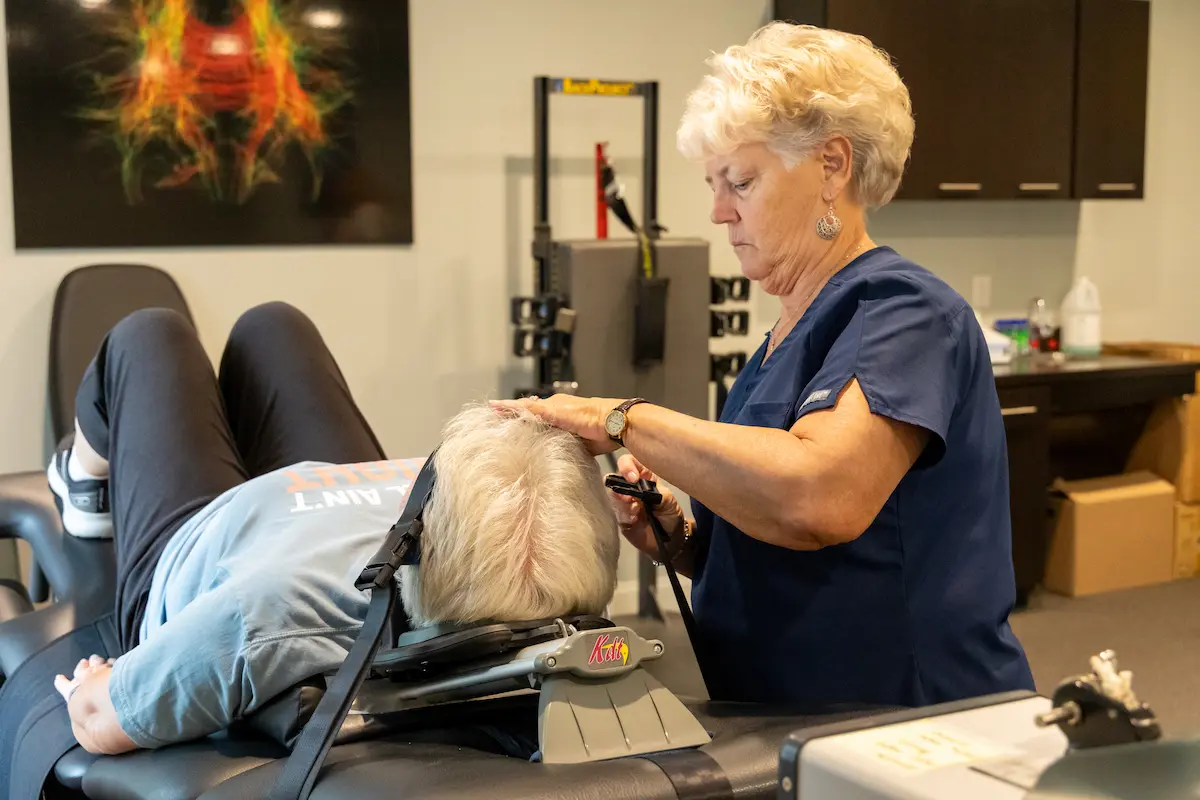
- Spinal decompression therapy to reduce intradiscal pressure and take load off compressed nerve roots
- Supportive in-office modalities incorporated based on provider guidance and clinical presentation
The most appropriate next step depends on your symptoms, exam findings, and how your body is responding over time.
When to Contact a Spine Specialist
Consider scheduling an evaluation at Spine Care in Seneca if you have any of the following:
- Radiating arm or leg pain that lasts more than a few days or keeps returning
- Tingling or numbness that is persistent, spreading, or interfering with daily tasks
- Any weakness, even if mild, such as grip changes, foot drag, or difficulty with stairs
- Pain that limits work, sleep, or exercise, or that is not responding to typical self-care
- Symptoms that started after an injury including sports or auto injury
An exam can help clarify whether your symptoms match a herniated disc pattern or another condition, and what conservative care options may be appropriate for your specific case.
Conclusion: Listening to Your Body and Seeking Help
Understanding herniated disc conditions often comes down to recognizing nerve-related patterns, including radiating arm or leg pain, numbness and tingling, and weakness, especially when they accompany back or neck pain. Pay attention to symptom location, what triggers it, and any changes in strength or sensation. Seek urgent care for red-flag symptoms like bowel or bladder changes or rapidly worsening weakness. For everything in between, the Spine Care team in Seneca is here to evaluate your specific presentation and help you find a non-surgical path forward.