
Table of Contents
Sciatica can be frustrating, painful, and disruptive. However, in most cases it improves with time and conservative care. For most people, symptoms begin to ease within 2 to 6 weeks, and many recover fully within 6 to 12 weeks depending on the cause and severity. Your personal sciatica recovery timeline may be shorter or longer depending on what is irritating the nerve, when treatment begins, and how your body responds. Sciatica is not a one-size-fits-all condition. Some people experience mild discomfort that fades quickly. Others may deal with lingering symptoms for months. Understanding the recovery stages can make the healing process smoother and less stressful.
Understanding Sciatic Nerve Pain
Sciatic nerve pain occurs when the sciatic nerve, the longest nerve in your body, is irritated or compressed. This nerve runs from your lower back through your hips and down each leg. When something presses on it, pain radiates along its pathway.
Common symptoms include:
- Lower back pain
- Pain that travels down one leg
- Tingling or numbness
- Weakness in the affected leg
- Sharp or burning sensations
The pain can range from mild to intense. Some people describe it as an electric shock. Others report persistent burning pain that worsens when sitting, coughing, or sneezing.
What Causes Sciatic Pain?
Sciatic pain is not a condition by itself. It is a symptom of an underlying issue. Several problems can trigger irritation of the sciatic nerve.
1. Herniated Disc
A herniated disc is the most common cause of sciatica. The discs in your spine act as cushions between vertebrae. When one bulges or ruptures, it can press against nearby nerves. If a herniated disc is responsible, recovery often depends on how severe the bulge is. Mild cases may improve within a few weeks, while more significant disc issues may take several months to calm down.
2. Nerve Compression
Nerve compression can occur for reasons other than a disc problem. Bone spurs, spinal stenosis, or even tight muscles in the buttocks can compress the sciatic nerve. The duration of healing depends on the source of the compression, how long the nerve has been irritated, whether inflammation is present, and the treatment approach. Relieving pressure on the nerve is key to recovery.
3. Muscle Spasms
Muscle spasms, especially in the piriformis muscle in the buttocks, can irritate the sciatic nerve. This is sometimes called piriformis syndrome. When muscle spasms are the main cause, improvement can happen relatively quickly, often within a few weeks, with stretching, targeted care, and activity modification.
Stages of the Sciatica Recovery Timeline
Recovery typically progresses in stages. Understanding these can help you stay patient and proactive.
0 to 2 Weeks (Acute Stage)
During this phase, inflammation is high and pain may be intense. Rest is important, but not complete bed rest. Gentle movement helps prevent stiffness.
Common treatments include:
- Ice or heat therapy
- Light stretching
- Over-the-counter pain relievers
- Avoiding heavy lifting
Pain may fluctuate during this stage.
2 to 6 Weeks (Subacute Stage)
Inflammation usually begins to decrease. Mobility improves gradually. Many people start feeling noticeably better during this period.
At this point, treatment may expand to include physical therapy, core strengthening exercises, postural corrections, and a gradual return to normal activities. Most people see major improvement by the end of this stage.
6 to 12 Weeks (Recovery and Rehabilitation Stage)
By now, symptoms are often mild or intermittent. The focus shifts toward preventing recurrence. Goals include restoring full strength, improving flexibility, correcting movement patterns, and building endurance. If symptoms persist beyond 12 weeks, the condition may be considered chronic and further evaluation may be needed.
Treatment Options That Help Heal Sciatica
While time plays a big role in healing, the right treatment speeds up recovery and reduces complications.
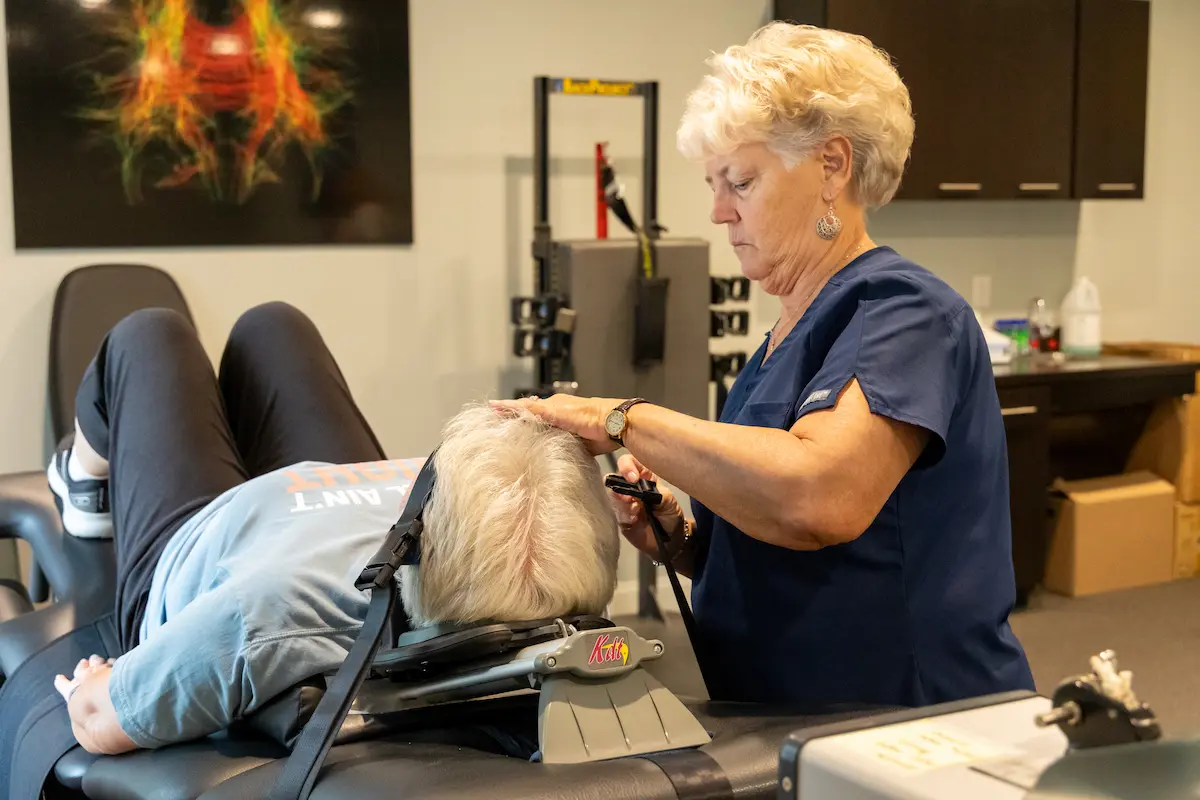
Chiropractic Care and Spinal Decompression
Chiropractic care addresses the structural and mechanical drivers of sciatic nerve compression, restoring normal joint motion to restricted lumbar and sacroiliac segments and reducing the nerve irritation that produces leg symptoms. For cases where disc herniation is the source, spinal decompression therapy creates negative pressure inside the affected disc, allowing bulging material to retract away from the nerve root and encouraging the disc to rehydrate and heal.
Nonsteroidal Anti-Inflammatory Drugs
NSAIDs such as ibuprofen or naproxen can reduce inflammation around the nerve. These medications are most helpful during the early stages when swelling contributes to pain. Always follow dosage instructions and consult a healthcare provider if symptoms last longer than expected.
Physical Therapy and Movement
Movement is medicine when it comes to sciatica. A structured exercise plan can relieve pressure on the nerve, strengthen supporting muscles, improve flexibility, and reduce future injury risk. Staying active throughout recovery is important.
Proper Posture and Lifestyle Adjustments
Improving posture significantly reduces stress on the lower spine. Sitting with lumbar support, keeping feet flat on the floor, avoiding prolonged sitting, and lifting with your legs rather than your back all contribute to faster recovery and reduced risk of recurrence.
How Long Does It Take to Heal Sciatica Completely?
For most individuals, sciatica resolves within six to twelve weeks. Mild cases may improve in as little as two to four weeks. However, if symptoms persist for more than three months, they may become chronic.
Factors that influence recovery time include the underlying cause such as a herniated disc, severity of nerve irritation, age and overall health, activity level, and consistency with treatment. Surgery is rarely needed. Only about 5 to 10 percent of cases require surgical intervention, typically when there is severe weakness, loss of bladder or bowel control, or persistent disabling pain.
When Sciatic Pain Becomes Chronic or Recurrent
Recurrent sciatica happens when symptoms return after initial recovery. This often occurs when the underlying issue was not fully addressed or when lifestyle habits continue to strain the spine. Chronic sciatica lasting longer than 12 weeks may require advanced imaging such as MRI, more targeted care, or injections to reduce inflammation. Preventing recurrence is just as important as treating the first episode.
Managing Burning Pain and Other Lingering Symptoms
Burning pain is a common complaint, especially when nerve irritation persists. Even as inflammation improves, the nerve may remain sensitive. Strategies to manage lingering discomfort include gentle nerve gliding exercises, gradual return to activity, avoiding long periods of sitting, stress reduction, and maintaining a healthy weight. Nerves heal slowly. It can take time for irritated nerve fibers to fully settle down.
Signs You’re Healing
Recovery is not always a straight line, but these signs suggest improvement:
- Pain becomes less intense
- Episodes occur less frequently
- Tingling decreases
- Strength returns to the leg
- You tolerate longer periods of activity
Some soreness during recovery is normal, especially when increasing activity levels.
When to See a Doctor
While most cases improve with conservative care, seek medical attention if you experience severe or worsening weakness, loss of bowel or bladder control, numbness in the groin area, or pain that does not improve after several weeks. These may signal a more serious condition requiring immediate care.
Advanced Sciatica Treatment at Spine Care in Seneca
The Spine Care team provides evidence-based treatments designed to address the root cause of sciatica rather than just masking symptoms. Whether someone is dealing with acute sciatica or lingering discomfort that has not responded to rest, care begins with a thorough evaluation that may include movement assessments and orthopedic checks to pinpoint nerve irritation. This detailed approach helps identify contributing factors such as disc issues, joint dysfunction, or muscle weakness that may be prolonging recovery.
From there, the focus is on non-surgical treatments that relieve pain, restore mobility, and improve spinal function. Through targeted chiropractic adjustments, spinal decompression, corrective exercises, and customized pain management strategies, the goal is not only short-term relief but long-term healing and stability so patients can return to normal activity with confidence.
Final Thoughts
Sciatica recovery is different for everyone. For many patients, symptoms gradually ease within weeks, especially when the underlying irritation in the lumbar spine is properly addressed. Tracking changes in pain intensity, mobility, and leg or foot numbness can help you recognize whether sciatica is improving or whether persistent symptoms need further evaluation. While mild to moderate cases often resolve with conservative care, severe pain or signs of worsening nerve compression should never be ignored.
If you are experiencing sciatica that lingers beyond a few months, or if chronic pain is beginning to interfere with daily life, it may point to deeper issues such as degenerative disc disease or persistent nerve compression that requires more advanced treatment. The key is early attention, consistent care, and proactive prevention. Contact the Spine Care team in Seneca to schedule your evaluation and find out what non-surgical options are available for your specific case.