Table of Contents
If you have been living with nagging joint pain that just will not quit, despite trying medications, physical therapy, or shots, you might feel like you are running out of options. But there is a treatment that has been gaining serious traction in sports medicine and orthopedic clinics, and it might be exactly what you have been looking for. Shockwave therapy for joint pain has helped thousands of patients reduce inflammation, speed up healing, and get back to doing the things they love without surgery or long recovery times. Let’s walk through what it is, how it works, and what you can realistically expect.
What Is Extracorporeal Shockwave Therapy?
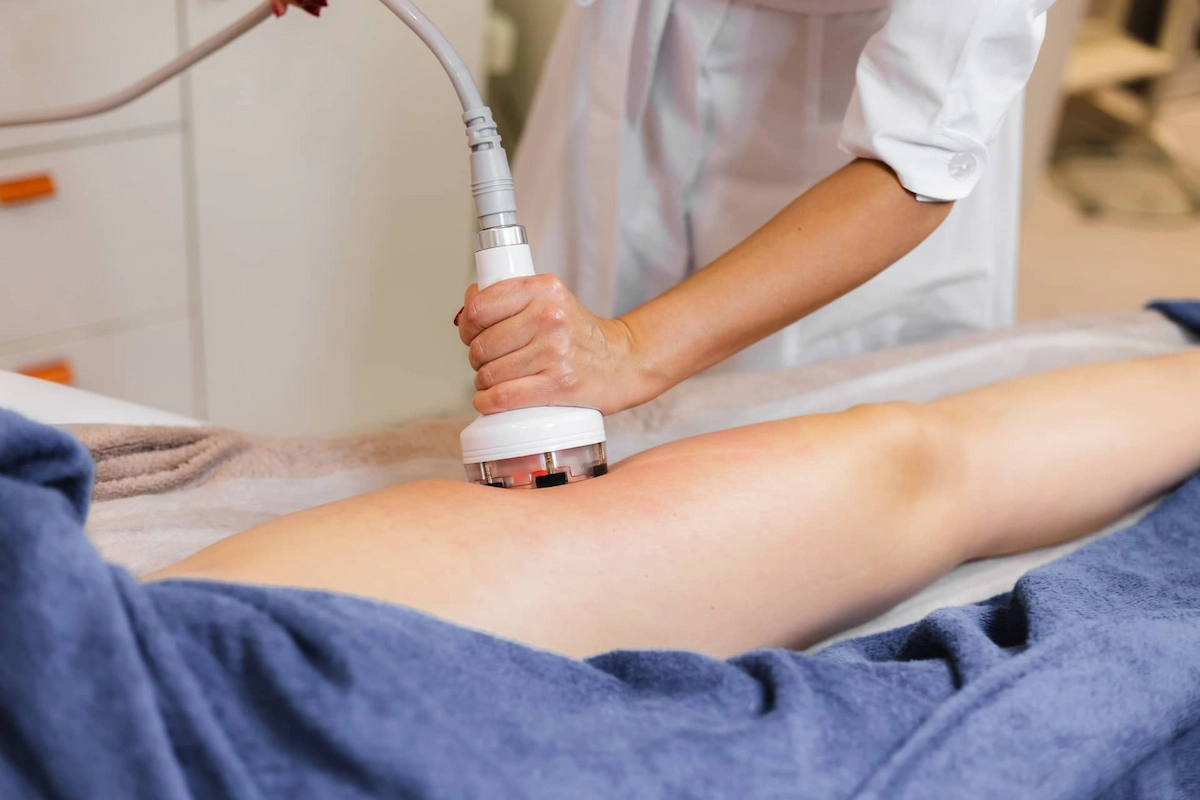
Extracorporeal shockwave therapy uses high-energy sound waves delivered through the skin to stimulate healing in damaged tissue. “Extracorporeal” simply means the treatment happens outside the body. A handheld device is pressed against your skin over the affected joint, sending pulses of acoustic energy deep into the tissue beneath.
This is not electricity, and it is not a laser. Think of it more like a targeted, rhythmic pressure wave, similar to sound waves. In medicine, this same principle has been used for decades to break up kidney stones. In joint therapy, the goal is not destruction. It is stimulation. Those sound waves trigger your body’s natural healing responses in tissue that has become chronically damaged or stuck in a cycle of dysfunction.
Key Benefits of Shockwave Therapy
- Pain relief that lasts: Many patients notice significant improvement after just 3 to 5 sessions, with results continuing to improve for weeks afterward.
- Reduced inflammation: Shockwave therapy helps calm the inflammatory response in chronically irritated joints and tendons.
- Improved mobility: As pain decreases and tissue heals, range of motion typically improves.
- No downtime: Most patients walk out of their appointment and resume light daily activities the same day.
- No anesthesia or incisions: The treatment is delivered entirely through the skin.
Better Blood Circulation and Faster Healing
One of the most important things shockwave therapy does is improve blood circulation to injured areas. Chronic injuries often become stuck because blood flow to the affected tissue is poor. Without fresh blood, healing nutrients and oxygen cannot get to where they are needed. The mechanical stimulation from shockwave pulses causes new blood vessels to form through a process called neovascularization, essentially waking up tissue that had gone dormant. This is a major reason patients with long-standing injuries often respond so well.
How Collagen Production Rebuilds Damaged Tissue
Shockwave therapy also stimulates collagen production, and that matters more than most people realize. Collagen is the structural protein that makes up tendons, ligaments, and cartilage. When joints are chronically inflamed or injured, collagen fibers break down and do not always repair properly. Shockwave therapy sends a signal to your cells to produce new collagen, which means the repaired tissue is stronger and more functional, not just temporarily soothed. This is what separates it from treatments that simply mask pain.
Who Can Benefit: Knee Pain, Chronic Pain, and More
Shockwave therapy was originally used for sports injuries, but its applications have grown considerably. It is now used to treat a wide range of musculoskeletal conditions, including plantar fasciitis, shoulder tendinopathy, hip bursitis, Achilles tendon issues, and knee pain.
Patients dealing with chronic pain lasting three months or longer are often the ones who benefit most. If your pain has been resistant to other approaches, that is actually a sign that shockwave therapy may be well-suited to your situation. It is specifically designed to work on tissue that has not healed with conventional methods.
Knee Osteoarthritis and Other Knee Conditions
Knee osteoarthritis is one of the most common and debilitating joint conditions in adults over 50, and it is an area where shockwave therapy is showing real promise. Studies have found that ESWT can reduce pain and improve function in people with mild to moderate knee osteoarthritis, particularly when combined with other conservative care. Beyond osteoarthritis, other knee conditions respond well too, including patellar tendinopathy, IT band syndrome, and post-surgical scar tissue. If your knee has been through a lot, whether from years of activity, an old injury, or age-related wear, shockwave therapy offers a way to support healing without adding more stress to the joint.
A Non-Invasive Alternative to Surgery
One of the most compelling things about this treatment is that it is genuinely non-invasive. There are no needles, no incisions, no general anesthesia, and no recovery room. For patients who are nervous about procedures or who have been told surgery is their only option, shockwave therapy offers a meaningful middle ground.
A typical session lasts about 15 to 20 minutes. The provider applies a gel to the skin, then presses the device against the treatment area and delivers a series of pulses. Some patients feel a mild aching or pressure during treatment, especially over very sensitive areas. The intensity can usually be adjusted to keep you comfortable. Most treatment plans involve 3 to 5 sessions spaced one week apart.
How Shockwave Compares to Other Treatments
So how does shockwave compare to other treatments like cortisone injections, PRP, or surgery?
- Cortisone injections can provide fast relief, but the effects are often temporary, and repeated injections can actually weaken tissue over time.
- PRP therapy is promising but expensive and not always covered by insurance.
- Surgery carries real risks, a longer recovery, and is not always necessary.
Shockwave therapy sits in a valuable middle ground. It is more active than medication, less risky than surgery, and typically more affordable than PRP. It is not a magic fix and works best as part of a broader treatment plan. For many patients, however, it is the piece that finally gets them moving in the right direction.
Risks and Side Effects: What to Know
Shockwave therapy is considered very safe for most people, but it is not right for everyone. Potential side effects are usually mild and short-lived:
- Temporary soreness or bruising at the treatment site
- Mild swelling for 24 to 48 hours
- A brief increase in pain before improvement begins, which is actually a sign that the healing response has been activated
It is not recommended for people who are pregnant, have blood-clotting disorders, have active infections or tumors in the treatment area, or are on certain blood-thinning medications. Always discuss your full medical history with your provider before starting treatment.
Schedule Your Shockwave Therapy at Spine Care
If you are ready to move beyond temporary fixes and experience lasting relief, contact the Spine Care team in Seneca to schedule your shockwave therapy evaluation. Our treatment is designed to activate the body’s natural healing processes, helping you recover safely and effectively without invasive procedures. Whether you are struggling with chronic knee pain, joint degeneration, or a persistent tendon condition, our team will create a personalized plan focused on restoring mobility and improving your quality of life.
The Bottom Line
Shockwave therapy works by delivering high-energy acoustic waves deep into damaged tissue, stimulating blood flow and triggering tissue regeneration at the cellular level. Unlike surgery, this non-invasive treatment carries minimal risk. While some patients experience mild discomfort during the session itself, most walk away after just a few weeks of treatment with significant pain relief they have not felt in months or even years. Whether you are managing knee pain, a stubborn tendon injury, or another chronic joint condition, activating your body’s own repair mechanisms through shockwave therapy may be the approach that finally moves the needle for you.