Table of Contents
Spinal stenosis is a narrowing of the spaces inside your spine, and when that narrowing pinches the nerves heading to your legs, it can cause pain, numbness, or heaviness that often gets worse with walking or standing. It usually develops slowly with age, but the encouraging part is that many people find real relief without surgery. Non-surgical options that take pressure off the compressed nerves can make a meaningful difference. For people in Seneca and across the Upstate, that is often the first path worth trying.
What Is Spinal Stenosis?
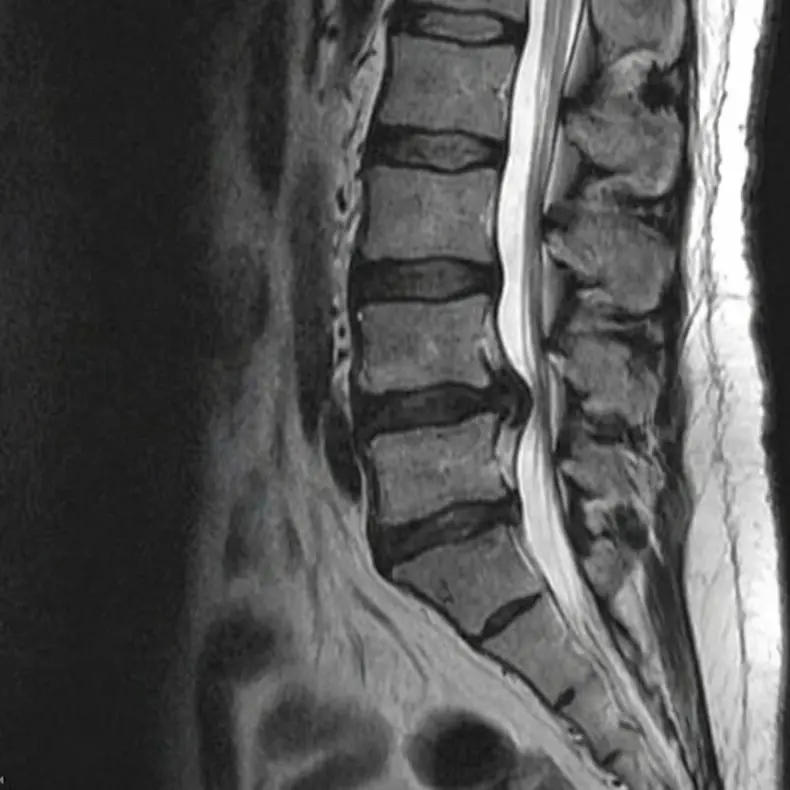
Your spinal canal is the channel that houses your spinal cord and the nerve roots branching off it. Spinal stenosis is what happens when that channel, or the smaller openings where nerves exit, becomes narrower than it should be.
As the space tightens, there is less room for the nerves, and pressure builds. It shows up most often in the lower back, where it tends to cause leg symptoms, and in the neck, where it can affect the arms. Because it usually develops gradually, many people live with mild symptoms for years before the pain pushes them to look for answers.
Why Spinal Stenosis Causes Leg Pain
Here is the part that confuses people. The problem is in your spine, but the pain is in your legs. That happens because the nerves being squeezed in your lower back are the same ones that travel down into your hips, legs, and feet.
When those nerves are compressed, they can send pain, numbness, tingling, cramping, or a heavy, tired feeling into the legs. A telltale pattern is that symptoms get worse when you stand or walk and ease when you sit or lean forward. Many people notice they feel better hunched over a shopping cart, because bending forward opens up a little more space for the nerves.
If your leg pain follows that pattern, stenosis is worth ruling in or out. It behaves differently from a simple muscle problem, and recognizing it points you toward the right care.
What Causes the Narrowing
Spinal stenosis is usually the result of gradual wear rather than a single injury. Several age-related changes tend to work together over time.
The most common contributors are general degeneration of the spine, bulging or herniated discs that intrude on the canal, ligaments that thicken as they age, and bony overgrowths called bone spurs. Any of these can shrink the space around the nerves, and often more than one is involved at once. That is why stenosis becomes more common as we get older.
Non-Surgical Ways to Find Relief
Most people with spinal stenosis do not need surgery, at least not as a first step. The goal of non-surgical care is to reduce pressure on the nerves and keep you moving comfortably.
Spinal decompression uses gentle, controlled traction to create more space within the spine and take pressure off the compressed nerves, which can ease that nagging leg pain. Neurologically informed chiropractic care can help restore movement and address the mechanics that add to the problem. Staying gently active matters too, since motion helps far more than long stretches of rest. If you want to understand the non-surgical route better, our post on whether spinal decompression can prevent back surgery is a useful read.
When Surgery Might Be Considered
Sometimes stenosis becomes severe enough that surgery is the right call, and we are honest about that. If leg weakness is progressing, if the pain is disabling despite good conservative care, or if daily function is seriously limited, a surgical consultation makes sense.
Seek emergency care right away for any loss of bladder or bowel control or numbness around the groin, which is rare but serious. Outside of those situations, most people have room to try conservative care first and see how far it takes them.
How Spine Care Approaches Spinal Stenosis
We do not apply the same plan to every spine. Your first visit is a thorough evaluation, and your second is dedicated to reviewing the findings and explaining what we recommend before treatment begins.
Dr. Eric Blundy is a Board-Certified Chiropractic Neurologist and Registered Nurse, which helps when nerve compression is at the center of the problem, as it is with stenosis. You can read more about how we treat spinal stenosis at our Seneca clinic, where patients come from across the Upstate for non-surgical care.
Frequently Asked Questions
Can spinal stenosis be treated without surgery?
For many people, yes. While the narrowing itself is structural, non-surgical care can reduce pressure on the nerves and ease symptoms enough to stay active and comfortable. Surgery is usually reserved for severe or progressive cases.
Is walking good or bad for spinal stenosis?
Walking can be uncomfortable because standing upright narrows the space for the nerves, but gentle, guided activity is still important. Many people find they can walk farther when leaning slightly forward, and a tailored plan helps you stay active without overdoing it.
Move Freely. Live Fully.
If leg pain from spinal stenosis is limiting what you can do, non-surgical options are worth exploring. Call Spine Care at (864) 882-5191 or contact us here to schedule an evaluation, and ask about our $79 new patient special.