Table of Contents
Carrying extra weight puts steady, added stress on your knees and spine, so losing even a modest amount can reduce the load on those joints and ease chronic pain. Your knees absorb several times your body weight with every step, which means small changes can make a real difference in how they feel. Weight loss is not a cure for every ache, but for many people it is a meaningful part of the recovery picture. For patients in Seneca and across the Upstate, it tends to work best alongside targeted treatment.
How Extra Weight Affects Your Joints and Spine
The connection between weight and joint pain is largely about physics. Your joints are built to carry load, but there is a limit to what they handle comfortably over the years.
The knees take the brunt of it. With each step, they absorb several times your body weight, so even a few extra pounds translate into a much larger force traveling through the joint over a day of walking, climbing stairs, and standing. Over time, that added stress can wear down cartilage and speed up joint problems.
There is also an inflammatory side. Excess body fat is not just passive weight, it produces chemicals that can promote inflammation throughout the body, including in already irritated joints. So weight can affect pain through both load and inflammation at once.
The Link Between Weight and Back Pain
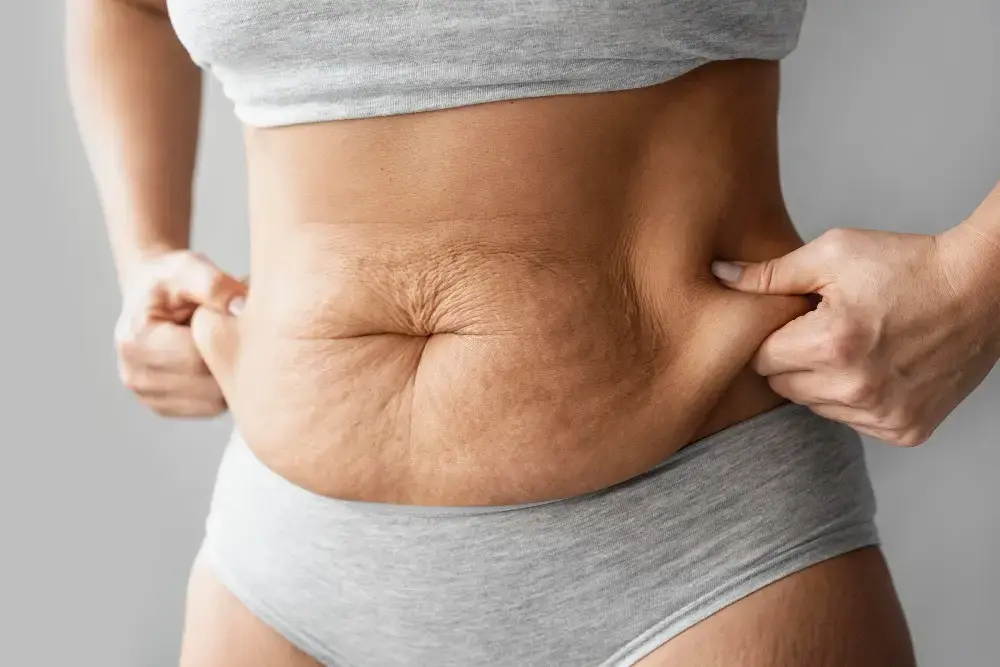
Your spine feels it too. Extra weight, especially around the midsection, pulls the body forward and shifts your posture, which increases the load on the lower back.
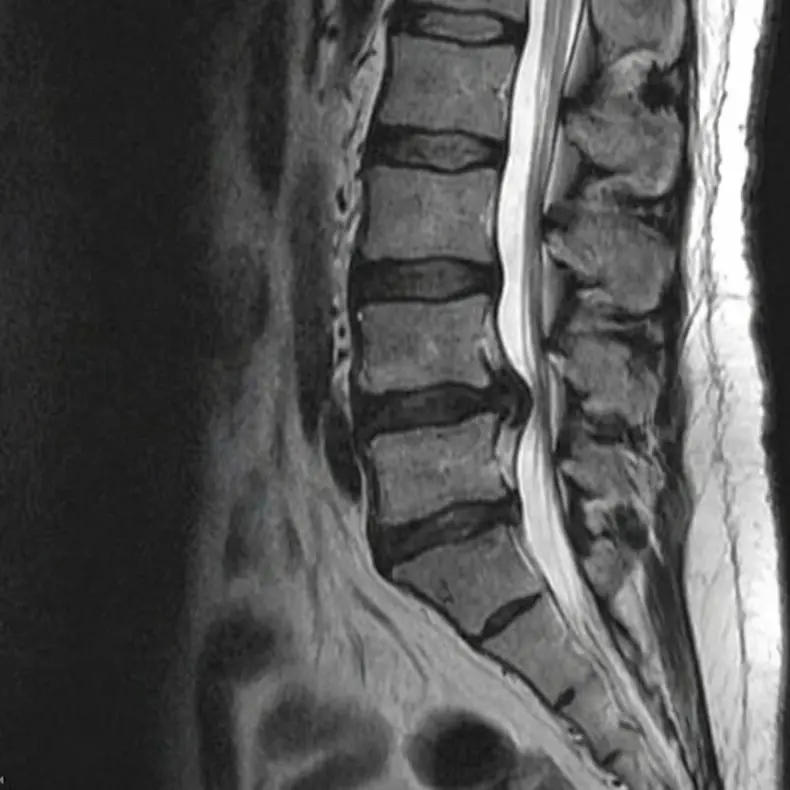
That added strain falls on the discs, joints, and muscles of the lumbar spine, the same structures already involved in most chronic back pain. For someone dealing with a disc problem or ongoing low back pain, carrying less weight can take meaningful pressure off the area and support the work being done in treatment.
Weight and Knee Pain
Knee pain and weight are tightly linked, which is why weight often comes up in any serious conversation about chronic knee trouble. Reducing the load on a worn knee can ease pain and improve how far and how comfortably you move.
This matters most for people with knee pain from osteoarthritis or cartilage wear, where arthritis is doing the damage. Weight loss pairs well with direct treatment of the joint. For the right candidate, regenerative medicine and shockwave therapy can address the knee itself, while a lighter load helps those results hold up over time. Our post on whether regenerative medicine can delay knee replacement covers the treatment side in more detail.
Why Crash Diets Miss the Mark
When pain is the motivator, it is tempting to look for the fastest possible weight loss. The problem is that drastic, short-term approaches rarely last, and they can work against your recovery.
Losing weight too aggressively often costs you muscle along with fat, and muscle is exactly what supports and protects your joints. Rapid loss also tends to rebound, leaving people back where they started or worse. Sustainable, steady change protects the muscle you need and is far more likely to stick.
How a Medically Supervised Program Helps
Losing weight is genuinely hard, especially when chronic pain limits how much you can move. That is where having medical guidance makes a difference.
A medically supervised weight loss program focuses on your metabolism and overall health rather than a one-size-fits-all diet, with support and accountability built in. Because it is supervised, the plan can account for your specific situation, including the reality that pain may be limiting your activity. The aim is steady, sustainable results that support your recovery rather than a quick number on the scale.
Weight Loss as One Piece of the Plan
Weight loss on its own is rarely the whole answer, and we would not present it that way. It works best as one part of a coordinated plan that also treats the source of your pain.
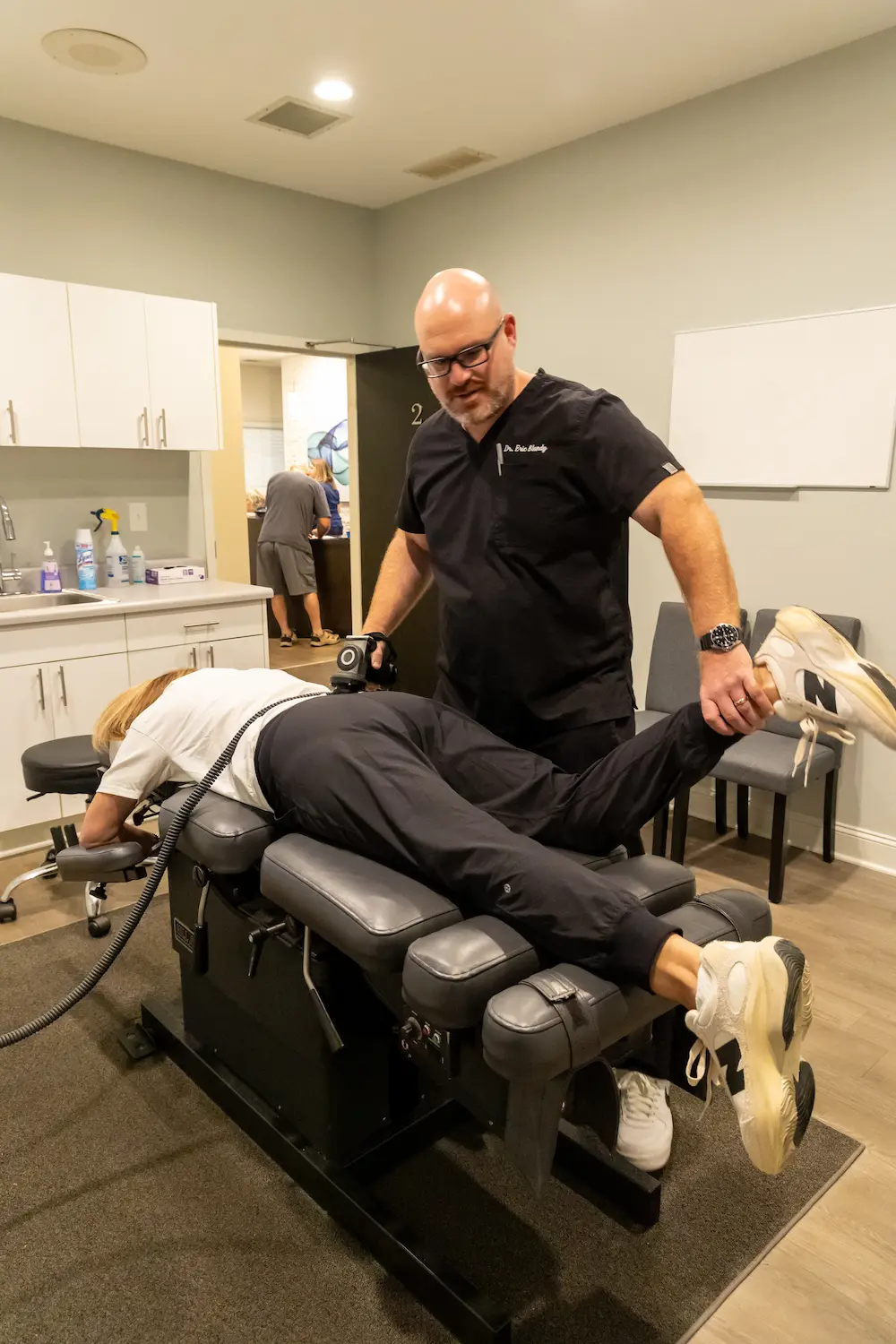
At Spine Care, we look at the full picture, combining direct treatment of the spine or joint with supportive changes like weight management. Dr. Eric Blundy is a Board-Certified Chiropractic Neurologist and Registered Nurse, and that medical and neurological background shapes how we tie these pieces together. Patients come to our Seneca clinic from across the Upstate for this kind of whole-person, non-surgical approach to chronic pain.
Move Freely. Live Fully.
If chronic knee or back pain is holding you back, addressing weight alongside treatment may help you get further. Call Spine Care at (864) 882-5191 or contact us here to schedule an evaluation, and ask about our $79 new patient special.