
Table of Contents
Yes, sciatica can come back, and for many people it does. Sciatica is really a symptom of an underlying problem, usually a compressed or irritated nerve in the lower back, so if that root cause is not fully resolved, the pain can return weeks, months, or even years later. The encouraging news is that recurring sciatica is often preventable once you understand what keeps setting it off. For people across Seneca and the Upstate, that starts with treating the cause, not just the flare.
Why Does Sciatica Keep Coming Back?
Sciatica is pain that travels along the sciatic nerve, the large nerve running from your lower back down through the hip and leg. The pain itself is a message. Something is pressing on or irritating that nerve or one of the roots that feed into it.
Often the source is a herniated or bulging disc, but it can also come from joint restriction in the lower back, a tight piriformis muscle in the hip, or dysfunction in the sacroiliac joint. When the immediate flare calms down, it is easy to assume the problem is gone. But if that underlying source is still there, the nerve stays vulnerable, and the next trigger can light it up all over again.
In other words, feeling better is not always the same as being fully healed. That gap is why sciatica has a reputation for coming back.
Common Triggers That Bring Sciatica Back
Recurrent sciatica usually has a pattern. These are the triggers we see most often:
- Prolonged sitting, especially with poor posture or long hours at a desk or behind the wheel
- Lifting something heavy or twisting awkwardly before the area is fully strong again
- Weak core and gluteal muscles that leave the lower back unsupported
- A sudden return to intense activity after a period of rest
- Extra body weight adding ongoing load to the lower spine
Notice that most of these are mechanical. They load an already sensitive area, and the nerve reacts. That also means most of them can be managed once you know what to watch for.
How to Reduce the Chance Sciatica Returns
Preventing another episode is less about luck and more about consistency. A few habits carry most of the weight.
Keep moving. Gentle, regular activity keeps the spine mobile and the surrounding muscles engaged, which beats long stretches of sitting or bed rest. Build core and hip strength, since strong support muscles take pressure off the lower back and the sciatic nerve. And pay attention to how you sit and lift, because everyday mechanics add up over time.
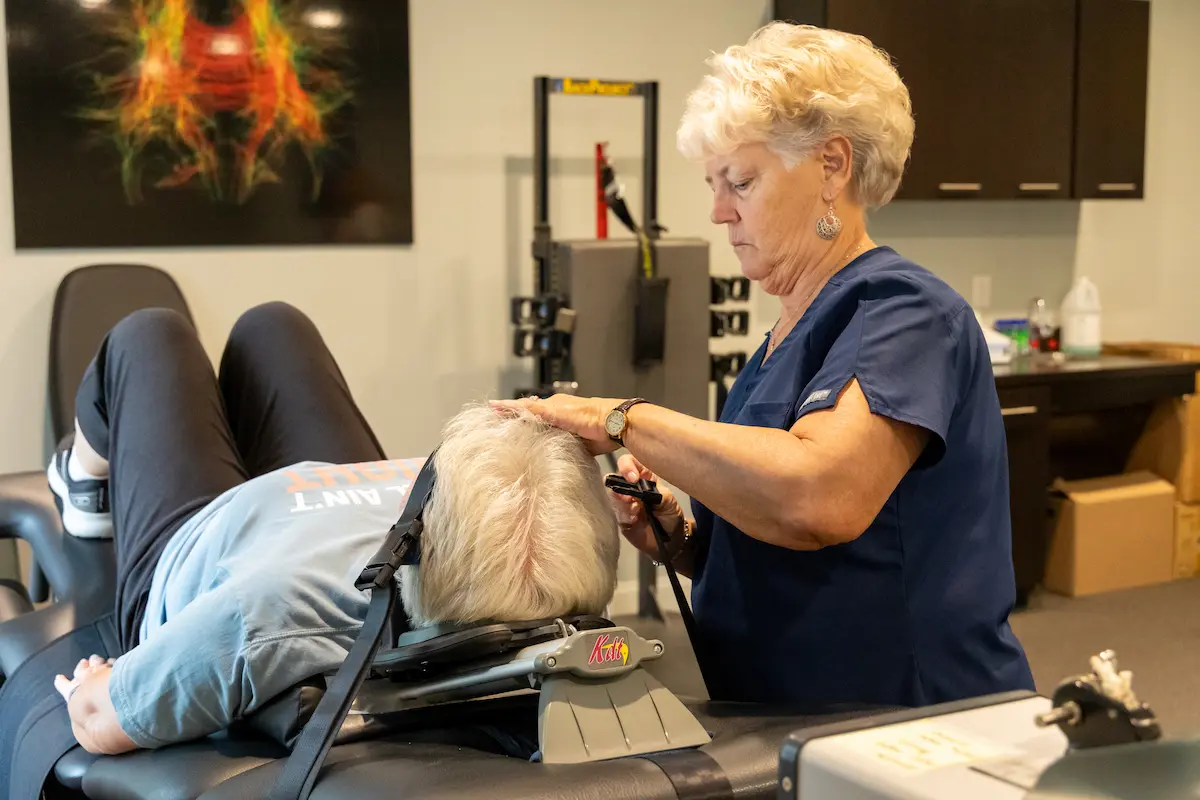
Addressing the disc or joint problem behind the sciatica is the piece people most often skip. Spinal decompression can reduce pressure on a disc that is irritating the nerve, while chiropractic care helps restore proper movement so one segment is not carrying more than its share. If you are still in the middle of a first episode, our guide on how long sciatica takes to heal lays out what recovery usually looks like.
When Recurring Sciatica Needs a Closer Look
Occasional recurrences that settle quickly are common. But some patterns deserve professional evaluation rather than another round of waiting it out.
Reach out if your sciatica keeps returning more often or more intensely, if episodes last longer each time, or if you notice weakness in the leg or foot. Get emergency care right away if you ever lose bladder or bowel control or feel numbness around the groin, which is rare but serious. Recurring symptoms are your body flagging that the root cause still needs attention.
Treating the Root Cause, Not Just the Flare
At Spine Care, we focus on why the sciatica keeps happening in the first place. Your first visit is a thorough evaluation, and your second is dedicated to reviewing what we found and mapping out a plan before treatment begins.
Dr. Eric Blundy is a Board-Certified Chiropractic Neurologist and Registered Nurse, a background that helps when the problem is nerve-related and has proven stubborn. You can read more about how we treat sciatica and decide whether it is time to get to the bottom of yours. Patients travel to our Seneca clinic from across the Upstate for this kind of root-cause care.
Frequently Asked Questions
How long does a sciatica flare-up usually last?
Many flare-ups ease within a few weeks with the right care. If yours lasts longer or keeps returning, it is a sign the underlying cause should be evaluated.
Can sciatica be cured permanently?
Because sciatica is a symptom, lasting relief comes from resolving whatever is compressing the nerve and keeping the area strong. Many people stay symptom-free long term once the root cause is addressed, though no honest provider can promise it will never return.
Is walking good for sciatica?
Gentle walking is usually helpful because it keeps you moving without overloading the spine. If walking sharply increases your pain, though, have it evaluated before pushing through.
Move Freely. Live Fully.
If sciatica keeps coming back, you do not have to keep riding the cycle. Call Spine Care at (864) 882-5191 or get in touch here to schedule an evaluation, and ask about our $79 new patient special.