Table of Contents
Often, yes. When it is done carefully and at the right point in your recovery, chiropractic care can help many people who still have pain after back surgery, whether that pain comes from a new issue, ongoing nerve irritation, or the way the body has compensated around the surgical site. It is not right for everyone or every stage of healing, which is exactly why a careful evaluation has to come first. For patients across Seneca and the Upstate, gentle non-surgical care is often a realistic route back to comfortable movement.
Why Do People Still Hurt After Back Surgery?
Back surgery can be successful and you can still be in pain afterward. It is common enough to have a name: failed back surgery syndrome. The term sounds harsh, but it simply describes continued or returning pain after a spinal procedure, and it does not mean nothing more can be done.
Understanding why the pain lingers is the first step toward addressing it. Usually one of a few things is going on.
The original problem was only part of the picture
Surgery targets a specific structure, like a disc fragment or a narrowed section of the spine. If pain was also coming from joint dysfunction, muscle imbalance, or mechanics that the operation was never meant to fix, that piece can remain after you heal from the procedure itself.
Adjacent segments take on extra strain
When one part of the spine is fused or altered, the segments just above and below often have to move and absorb more than they used to. Over time that added strain can become its own source of pain, a pattern sometimes called adjacent segment breakdown.
Scar tissue and lingering nerve sensitivity
Healing from surgery naturally forms scar tissue, which can affect how nearby tissues glide and move. Nerves that were compressed or irritated for a long time before surgery can also stay sensitive for a while afterward, even once the original pressure is gone.
Is Chiropractic Care Safe After Back Surgery?
With the right precautions, yes, care after back surgery can be safe. The key words are individualized and gentle. Post-surgical spines are not treated the same way as spines that have never had an operation.
That means no aggressive, one-size-fits-all adjustments. A careful provider reviews your surgical history, avoids working directly on a fusion site, and chooses techniques suited to what your body has been through. Timing matters too. Care usually begins only after you are cleared from the initial surgical healing phase.
How Non-Surgical Care Can Help
The goal after surgery is not to undo anything. It is to help the rest of your spine move and share load well, so the areas around the surgical site are not left to struggle.
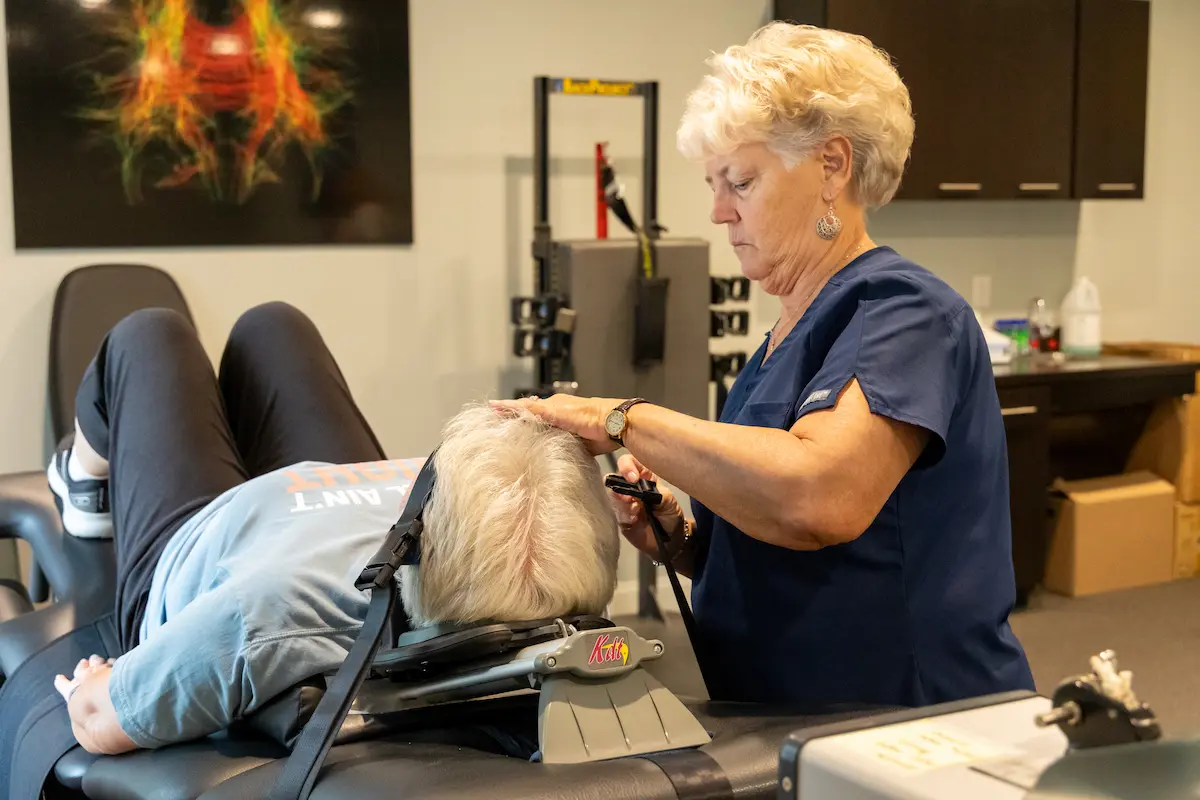
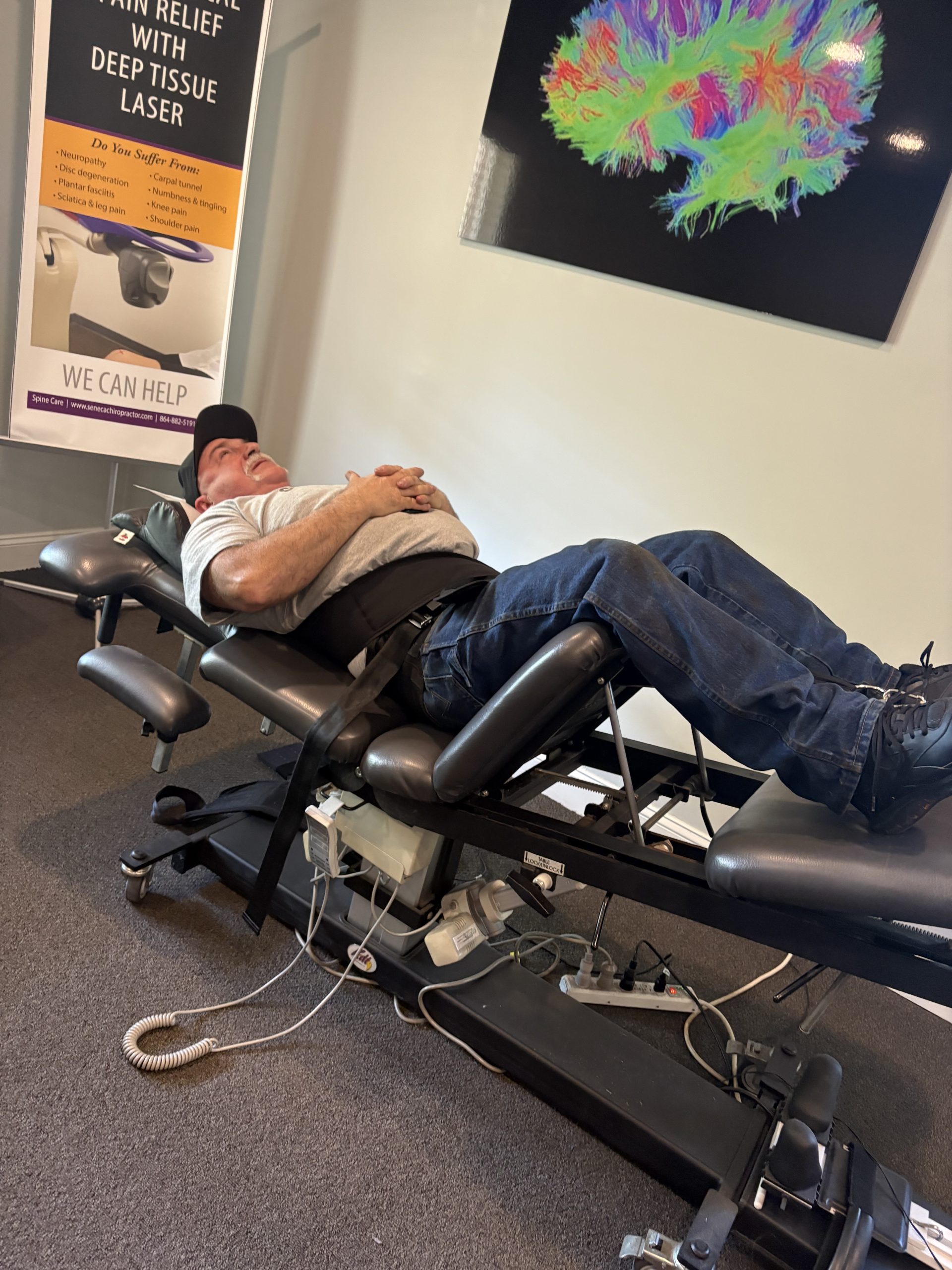
Gentle chiropractic care can help restore motion to stiff joints above and below the surgical area and reduce the compensation patterns that develop after an operation. When a disc problem is part of the ongoing picture, non-surgical spinal decompression may help take pressure off the disc and nerve, though whether it is appropriate depends entirely on your specific surgery and anatomy. Soft tissue work can also address the muscle tension and guarding that build up when you have been protecting your back for a long time.
None of this is a guarantee, and we are upfront about that. What careful care offers is a reasonable, non-surgical way to improve function when other doors seem closed.
What to Expect at Your First Visits
We use a two-visit model that fits complex cases like these well. Your first visit is a full evaluation, where we take a detailed history of your surgery and symptoms and assess how you are moving now.
Your second visit is set aside entirely to review those findings and explain what we recommend, and just as importantly, what we would not recommend, before any treatment begins. There is no same-day, adjust-and-go approach here. For post-surgical patients especially, that time to understand the plan matters.
When to Wait or Co-Manage With Your Surgeon
Honest care includes knowing its limits. If you are still early in your surgical recovery, if you have hardware concerns, or if you develop new neurological symptoms like progressive weakness, the right move may be to wait or to coordinate directly with your surgeon.
Get emergency care right away for any loss of bladder or bowel control or new numbness around the groin. We are comfortable co-managing with your medical team and referring out when that serves you best. That is simply part of responsible treatment.
A Careful Approach for Complex Cases
Post-surgical spines call for judgment, not guesswork. Dr. Eric Blundy is a Board-Certified Chiropractic Neurologist and Registered Nurse, a dual background that is genuinely useful when a case involves prior surgery and stubborn nerve symptoms. You can read more about his training on the Dr. Blundy bio page.
If lingering pain after surgery has you feeling stuck, it is worth learning what a careful non-surgical evaluation can offer. You can also read more about how we approach failed back surgery, or see our comparison of spinal decompression vs. back surgery if you are weighing another procedure. Patients come to our Seneca clinic from across the Upstate specifically for complex cases other providers were not sure how to help.
Move Freely. Live Fully.
Still in pain after back surgery? You may have more options than you have been told. Call Spine Care at (864) 882-5191 or reach out through our contact page to schedule an evaluation and talk through your specific situation.