Table of Contents
If you are dealing with chronic back pain, spinal decompression and back surgery are usually the main options you consider. Non-surgical spinal decompression often provides meaningful relief for conditions like herniated discs, sciatica, and spinal stenosis without the downtime or recovery demands of surgery, but the right choice depends on your specific diagnosis and how you have responded to other treatments.
The Spine Care team in Seneca helps patients explore non-surgical options before considering invasive procedures.
Understanding Spinal Decompression
What Is Spinal Decompression?
Spinal decompression is a non-surgical, motorized traction therapy designed to relieve pressure on compressed discs and nerves. The treatment works by gently stretching the spine, creating negative pressure within the targeted disc. This vacuum-like effect can help retract herniated disc material and draw oxygen, water, and nutrient-rich fluids into the disc space to promote the body’s own healing response without cutting into tissue.
Spinal decompression is one of the core services at Spine Care and is often combined with complementary therapies like chiropractic care, shockwave therapy, and regenerative medicine. This multi-layered approach addresses the root cause of pain for a variety of conditions including:
The goal is not just to mask pain but to create an environment where the body can begin to heal itself, reducing inflammation and pressure on compressed nerves.
How Is the Procedure Performed?
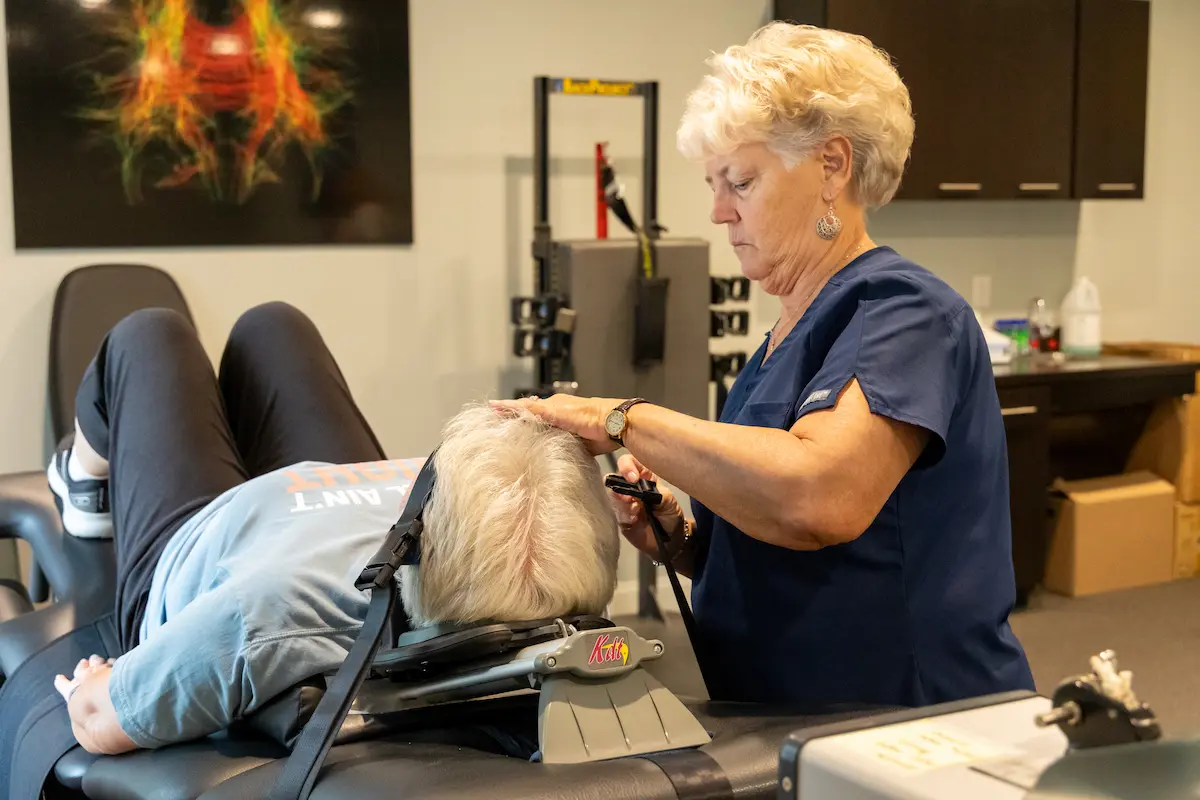
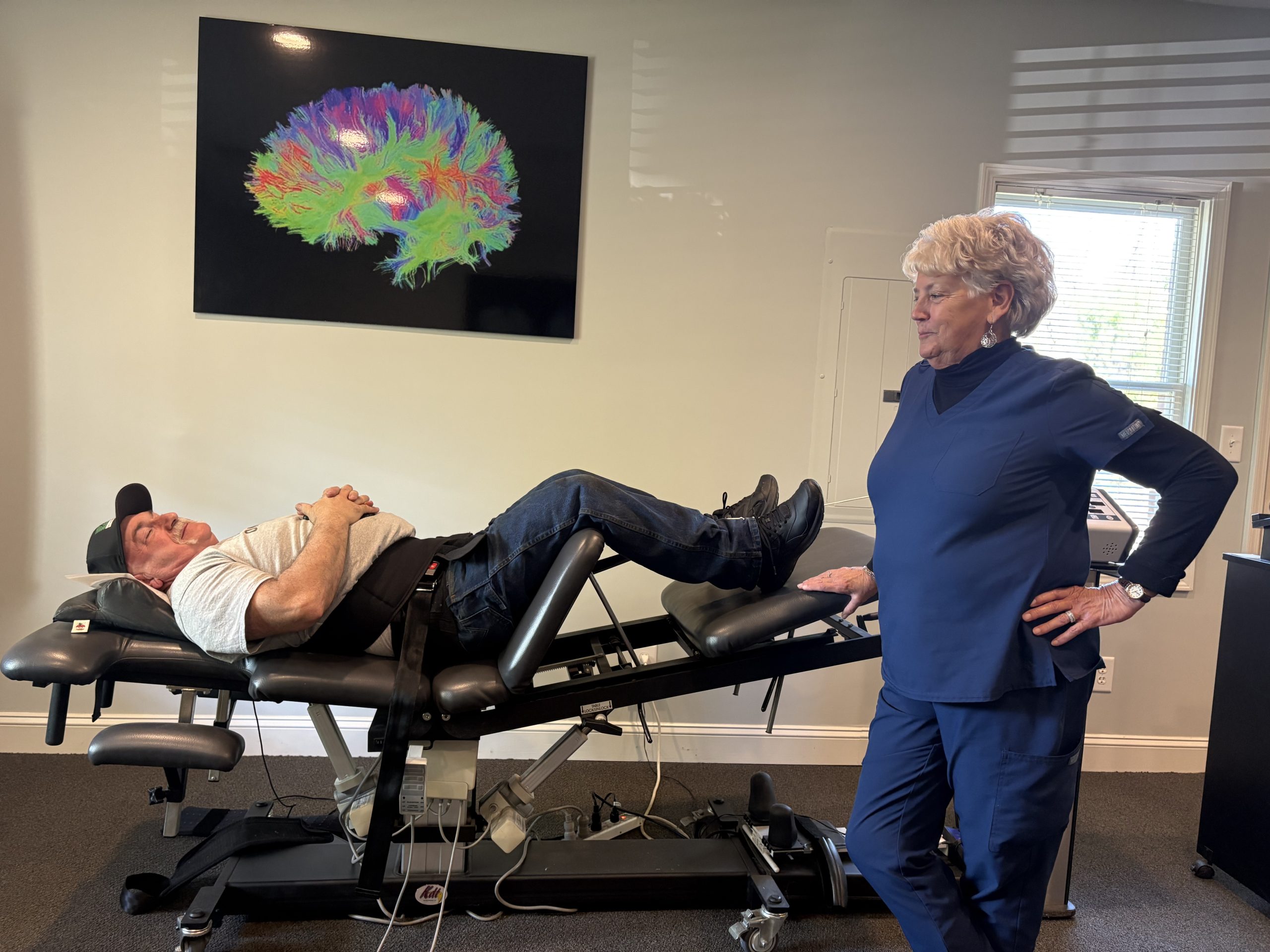
You lie fully clothed on a specialized, computer-controlled table while a harness is fitted around your hips and another around your trunk. The system applies a gentle, precise force to the targeted spinal segment, cycling through periods of traction and relaxation.
Unlike simple traction, the computerized system continuously adjusts the pull to prevent the body’s natural muscle guarding response, allowing for deeper and more effective decompression. Sessions are typically painless. Most patients find them relaxing. Treatment plans usually involve multiple sessions over several weeks.
Understanding Back Surgery
Back surgery often involves procedures that permanently alter the spine’s structure, such as connecting two or more vertebrae through fusion. The primary goal is to eliminate painful motion between vertebrae that have been damaged by degenerative disc disease, fractures, or instability. While such surgery can reduce pain caused by movement, it also reduces the spine’s overall flexibility and permanently changes the natural mechanics of the altered segment.
Back surgery is typically recommended when conservative treatments including physical therapy, medication, and injections have failed to provide relief over an extended period. Patients often need to wear a brace, significantly limit physical activity, and participate in rehabilitation. Returning to work can take anywhere from four weeks to several months depending on the job’s physical demands. For patients who have already had surgery without the expected outcome, failed back surgery syndrome is a condition the Spine Care team treats regularly.
Comparing Spinal Decompression and Back Surgery
Effectiveness of Each Treatment
Non-surgical spinal decompression tends to be most effective for conditions where disc compression is the primary pain driver, including herniated discs, sciatica, and certain cases of spinal stenosis. Many patients who complete a full course of treatment experience significant pain reduction or complete elimination of symptoms, allowing them to avoid surgery entirely. The focus is on restoring the disc’s health rather than altering the spine’s structure.
Back surgery can be highly effective for structural instability, cases where the spine cannot support itself properly. However, it does not address all types of back pain and does not improve the health of adjacent discs. Some patients who undergo spinal fusion continue to experience pain afterward, and adjacent segment disease is a well-documented long-term concern.
Success Rates
Published research on non-surgical spinal decompression shows that many patients experience notable pain relief, particularly those with herniated discs and degenerative disc disease. At Spine Care, success means helping patients avoid surgery and return to an active, pain-free life. For many candidates, spinal decompression achieves that goal.
Back surgery success rates depend heavily on the specific condition being treated. Surgery for instability caused by fractures tends to have higher satisfaction rates than surgery performed for general chronic pain. Patient selection matters enormously, which is why a thorough evaluation is critical before committing to any treatment path.
Cost Comparison
Non-surgical spinal decompression costs significantly less than back surgery, which involves surgeon fees, anesthesia, hospital stays, imaging, and rehabilitation. All of these expenses add up quickly. Decompression therapy is performed in an outpatient clinic setting with no hospital involvement, making it far more accessible for most patients.
Spine Care also offers a new patient special that makes your first evaluation more affordable, giving you the opportunity to learn whether decompression is right for your condition before committing to a full treatment plan.
Choosing the Right Treatment Option
When weighing spinal decompression vs back surgery, consider the following:
- Your diagnosis. Disc-related conditions like herniations and spinal stenosis often respond well to non-surgical decompression. Structural instability may require surgical intervention.
- Symptom duration. Chronic conditions that have not responded to medication or injections may benefit from decompression as a meaningful next step before considering surgery.
- Your activity goals. If returning to an active lifestyle matters to you, preserving spinal mobility through non-surgical treatment is worth exploring first.
Consulting With a Spine Specialist
The single most important step you can take is getting an accurate diagnosis and a professional recommendation tailored to your body. The team at Spine Care evaluates each patient individually, reviewing imaging, health history, and functional limitations before recommending a treatment path. Detailed physical testing and review of any existing imaging help determine whether you are a candidate for non-surgical spinal decompression.
The philosophy at Spine Care is to provide patients with all available options, starting with the least invasive and most effective treatments first. The goal is to give you the knowledge to make the right choice for your body and your lifestyle. Contact us in Seneca today to schedule your evaluation.
Conclusion
The question of spinal decompression vs back surgery comes down to what your specific condition requires. For many patients dealing with herniated discs, degenerative disc disease, sciatica, or spinal stenosis, non-surgical spinal decompression at Spine Care offers real relief without the recovery burden of surgery. It aligns with the body’s natural healing processes and can help you reclaim your life from pain. Surgery remains an option for cases involving true structural instability, but it should rarely be the first step.