
Table of Contents
If you’re living with degenerative disc disease (DDD), you may be wondering whether your condition qualifies as a disability and what rights you have in the workplace and beyond. The reality is that degenerative disc disease can qualify as a disability under certain circumstances, particularly when the condition significantly limits your ability to perform major life activities or maintain gainful employment. Whether you’re eligible for disability benefits, workplace accommodations, or legal protections depends on the severity of your symptoms, how they impact your daily functioning, and the specific criteria of the disability programs or laws in question.
Understanding your rights when dealing with this painful and often progressive condition is crucial for accessing the support and resources you need. This guide will walk you through what you need to know about degenerative disc disease as a disability, covering medical aspects and the legal protections available to you.
What Is Disc Degeneration?
Disc degeneration is a natural part of aging that occurs when the cushioning discs between your vertebrae begin to break down over time. These discs act as shock absorbers for your spine, allowing for flexibility and movement while protecting the bones from grinding against each other. As we age, these discs lose water content, become less flexible, and may develop small tears or cracks.
While disc degeneration happens to almost everyone as they get older, not everyone experiences symptoms or develops what is clinically known as degenerative disc disease. For some people, this natural wear and tear causes no problems at all. For others, it leads to chronic pain, reduced mobility, numbness, tingling, or weakness in the extremities.
The condition can affect any part of the spine, but most commonly occurs in the lower back (lumbar spine) or neck (cervical spine). Symptoms can range from mild discomfort to debilitating pain that interferes with work, sleep, and daily activities.
Disability Benefits for Degenerative Disc Disease (DDD)
If your degenerative disc disease severely limits your ability to work, you may be eligible for Social Security Disability Insurance (SSDI) or Supplemental Security Income (SSI). These federal programs provide financial assistance to people who cannot maintain gainful employment due to their medical conditions.
- SSDI is available to individuals who have worked and paid into Social Security taxes for a certain period. The amount you receive depends on your work history and earnings record.
- SSI is a needs-based program for people with limited income and resources, regardless of work history.
To qualify for either program, your condition must be expected to last at least 12 months or result in death, and it must prevent you from performing substantial gainful activity. The SSA uses a five-step evaluation process to determine eligibility, taking into account your medical condition, age, education, work experience, and transferable skills.
Beyond Social Security benefits, you may also be eligible for disability benefits through private insurance policies, workers’ compensation if your condition is work-related, or veterans’ benefits if you served in the military.
When Does DDD Qualify as a Disability?
Not everyone with degenerative disc disease will qualify for disability status. The key factor is whether your condition substantially limits one or more major life activities. Major life activities include walking, standing, lifting, bending, sleeping, working, and caring for yourself.
For disability purposes, documentation from healthcare providers is essential. Your medical records must clearly demonstrate the severity of your condition, the treatments you have tried, and how the disease impacts your functional capacity. This typically includes imaging studies like X-rays or MRIs, records of conservative treatments such as physical therapy or medication, and detailed notes about your limitations.
The Social Security Administration (SSA) evaluates degenerative disc disease under its listing for disorders of the spine. To meet this listing, you must have evidence of nerve root compression, spinal arachnoiditis, or lumbar spinal stenosis resulting in specific functional limitations. Even if you do not meet the exact listing criteria, you may still qualify if your condition prevents you from performing any substantial gainful activity.
Filing a Disability Claim
Filing a disability claim for degenerative disc disease requires careful preparation and thorough documentation. The process begins with gathering comprehensive medical evidence, including diagnostic test results, treatment records, physician statements, and documentation of functional limitations.
Your application should include detailed information from your healthcare providers about your diagnosis, the severity of your symptoms, how the condition affects your ability to work, and what treatments you have undergone. Be specific about your pain levels, movement limitations, and how your condition affects daily activities including sitting, standing, walking, and lifting.
The initial application can be completed online, by phone, or in person at your local Social Security office. Be prepared for a lengthy process, as the SSA can take several months to review your claim. Unfortunately, many initial applications are denied, often due to insufficient medical evidence or documentation.
If your claim is denied, do not give up. You have the right to appeal the decision through several levels of review, including reconsideration, a hearing before an administrative law judge, review by the Appeals Council, and ultimately federal court review if necessary.
Working with Healthcare Providers for Disability Determination
Your healthcare providers play a critical role in establishing your disability claim. They provide the medical evidence that forms the foundation of your case, including diagnostic findings, treatment plans, and assessments of your functional capacity.
Be open and honest with your doctors about your symptoms and limitations. Keep a detailed record of your pain levels, activities that trigger symptoms, and how your condition affects your daily life. This information helps your providers create accurate documentation that reflects the true impact of your condition.
Ask your doctors to complete any forms requested by the SSA thoroughly and promptly. Request that they include specific details about your limitations, such as how long you can sit or stand, how much weight you can lift, and any restrictions on repetitive motions. The more detailed and specific their statements, the stronger your claim will be.
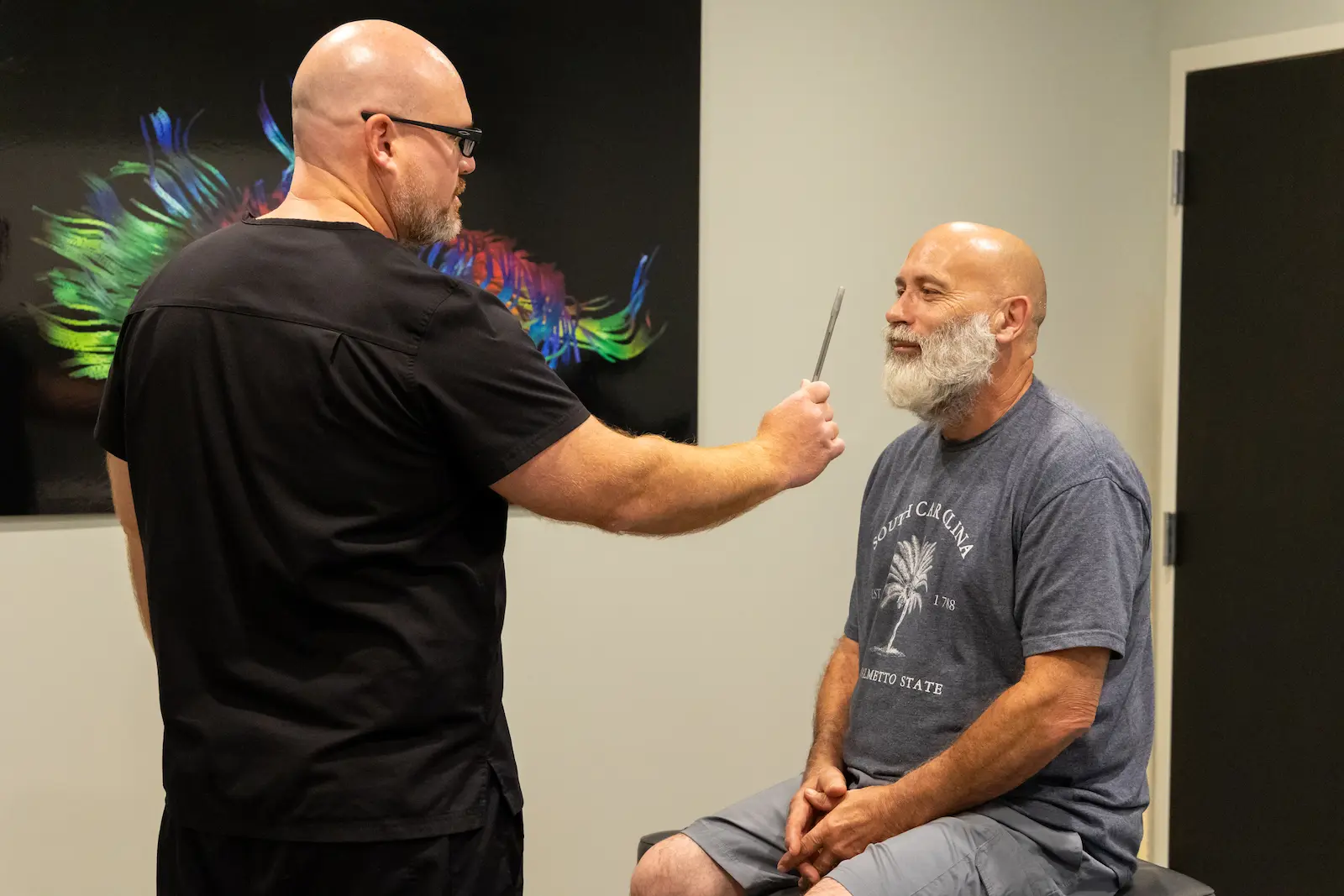
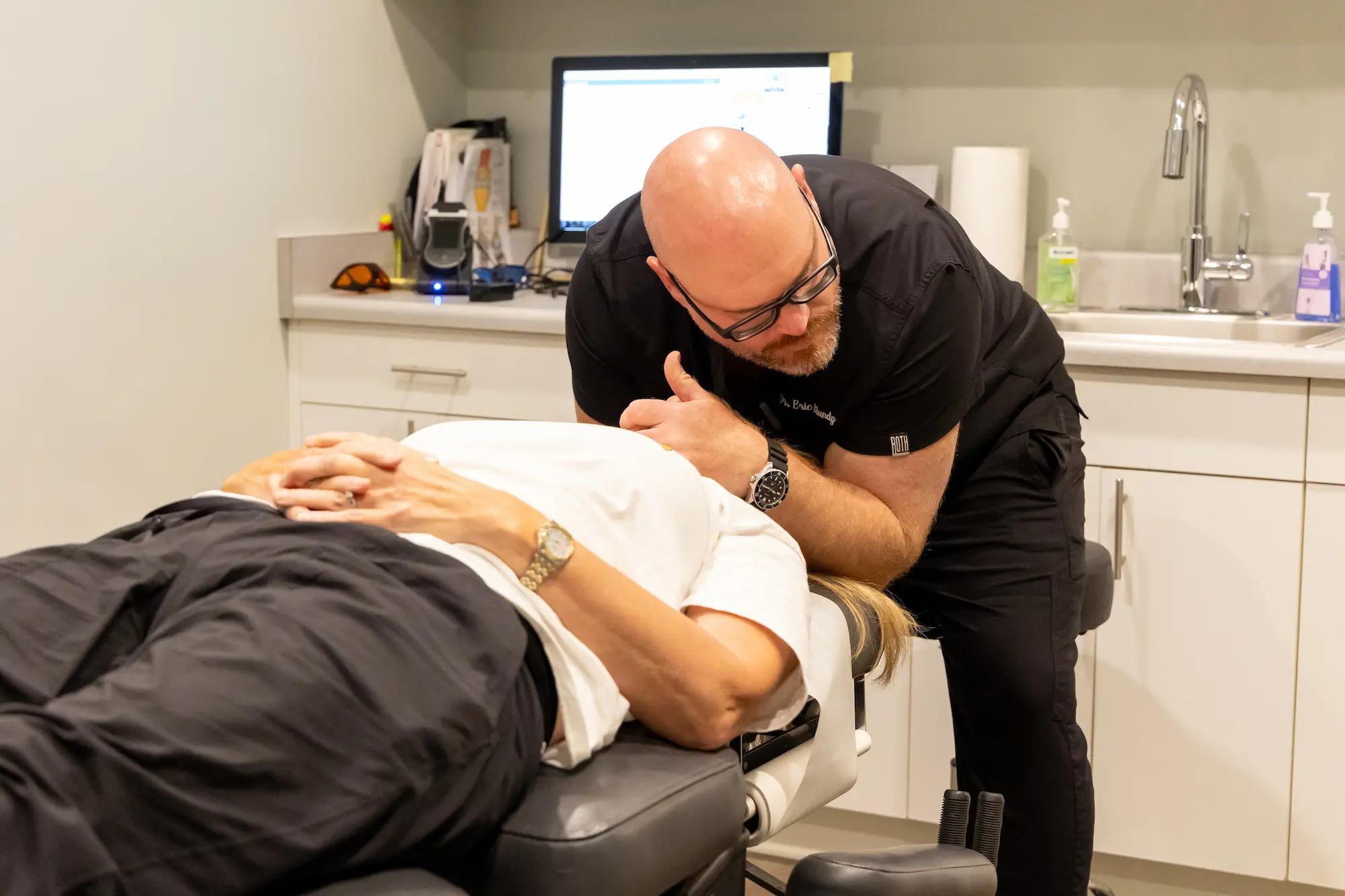
Consider seeking treatment from specialists such as board-certified chiropractic neurologists or pain management doctors, as their expert opinions carry significant weight in disability determinations.
Workplace Protections Under the Americans with Disabilities Act
The Americans with Disabilities Act (ADA) provides important protections for employees with degenerative disc disease. If your condition substantially limits major life activities, you are protected from discrimination in the workplace and entitled to reasonable accommodations that allow you to perform your job.
- Reasonable accommodations might include ergonomic office equipment, modified work schedules, breaks to stretch or change positions, reduced lifting requirements, or the option to work from home. Employers with 15 or more employees must provide these accommodations, unless doing so would cause undue hardship to the business.
To request accommodations, you will need to disclose your condition to your employer and provide medical documentation supporting your need for modifications. Your employer cannot discriminate against you in hiring, firing, promotions, or other employment decisions based on your disability.
The ADA also protects you from harassment or retaliation for asserting your rights. If you believe your employer has violated your rights under the disabilities act, you can file a complaint with the Equal Employment Opportunity Commission (EEOC).
The Role of a Disability Lawyer
Navigating the disability determination process can be overwhelming, especially when you are dealing with chronic pain and limited mobility. This is where a disability lawyer can make a significant difference in your case.
A disability lawyer specializes in Social Security disability law and understands the complex regulations, medical requirements, and legal standards involved in disability claims. They can review your case, identify weaknesses in your application, help gather necessary medical evidence, and present your case in the strongest possible light.
Lawyers are particularly valuable if your initial claim has been denied and you need to file an appeal. They can represent you at hearings, cross-examine medical experts, and argue your case before an administrative law judge. Statistics show that applicants represented by attorneys have significantly higher approval rates than those who go it alone.
Moving Forward with Confidence
Living with degenerative disc disease is challenging, but understanding your rights and options can help you access the support you need. Whether you are seeking disability benefits, workplace accommodations, or both, taking action early and building a strong case with comprehensive medical documentation is essential.
Remember that a diagnosis alone is not enough for disability status or reasonable accommodations. The key is demonstrating how your condition functionally limits your ability to work and perform daily activities. Work closely with your medical team, keep detailed records, and do not hesitate to seek legal help if you need it.
Your health and well-being matter, and you have rights designed to protect you when medical conditions interfere with your ability to earn a living. By understanding these rights and pursuing the benefits and accommodations you are entitled to, you can focus on managing your condition and maintaining the best possible quality of life. If you are looking for non-surgical care options for degenerative disc disease, contact the Spine Care team in Seneca to schedule your evaluation.
Final Thoughts on Disability for Degenerative Disc Disease
So, is degenerative disc disease a disability? The answer depends on how severely your damaged spinal discs affect your daily functioning and ability to work. Degenerative disc disease qualifies for Social Security disability benefits and long-term disability benefits when it causes severe pain, significant physical limitations, and meets specific medical criteria established for spinal disorders. Whether you have undergone surgical intervention or are managing your condition with non-surgical treatments like spinal decompression, the key to approval lies in providing objective medical evidence documenting the impact on your spine, resulting in measurable impairments.
If you are struggling with the complexities of applying for SSDI benefits or navigating the disability determination process, consulting with a disability attorney can significantly improve your chances of success. They understand the medical and legal requirements for spinal disorders and can help ensure your application includes all necessary documentation. Do not let the challenge of the application process prevent you from seeking the financial support you need and deserve while managing this painful, often progressive condition.