Table of Contents
For most non-emergency back pain, a chiropractor is a reasonable first stop, because the care is non-surgical and focused on how your spine moves and functions. An orthopedic doctor becomes important when surgery may be needed, when there is a fracture or serious structural problem, or when conservative care has not worked. Plenty of people actually benefit from both at different stages. For back pain in Seneca, the right choice depends on your symptoms and what is driving them.
What a Chiropractor Does for Back Pain
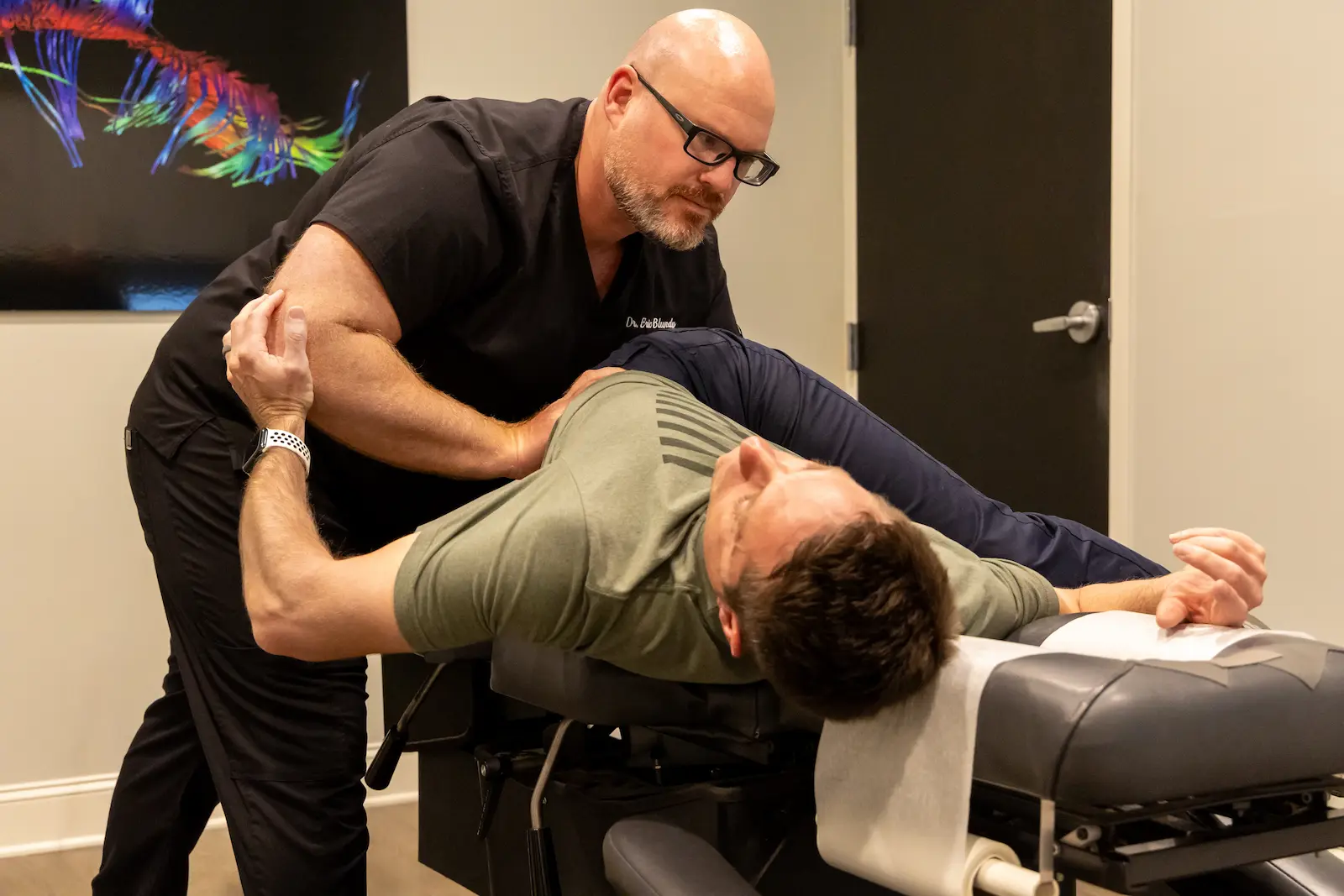
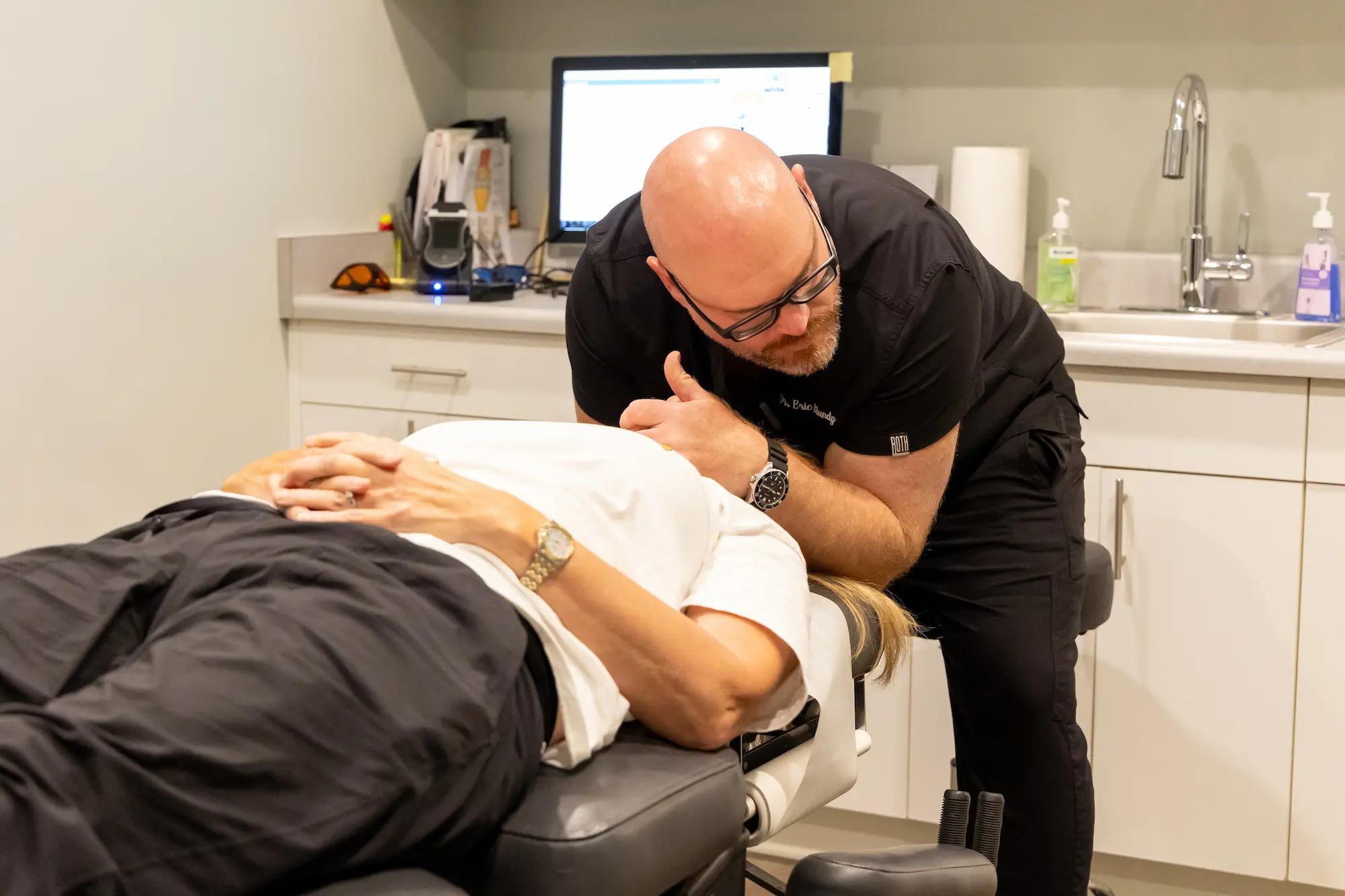
A chiropractor focuses on the function of your spine and the joints, muscles, and nerves around it. Care is hands-on and non-surgical, aimed at restoring proper movement and reducing the nerve irritation that often drives pain.
For common back problems, that can mean spinal adjustments, soft tissue work, and non-surgical treatments like decompression. The emphasis is on addressing the mechanical source of the pain and helping your body function better, rather than masking symptoms or moving straight to invasive options. For many people with low back pain from a disc, joint, or nerve problem, this conservative approach is a sensible place to begin.
What an Orthopedic Doctor Does for Back Pain
An orthopedic doctor is a medical physician who specializes in the musculoskeletal system, including bones, joints, and the spine. Orthopedic surgeons can order advanced imaging, prescribe medication, perform injections, and carry out surgery when it is warranted.
Their role becomes essential in specific situations: a fracture, a serious structural problem, progressive nerve damage, or pain that has not responded to conservative care and may need a surgical solution. In other words, orthopedics shines when the problem is beyond what non-surgical care can address on its own.
Chiropractor vs. Orthopedic Doctor at a Glance
| Factor | Chiropractor | Orthopedic Doctor |
|---|---|---|
| Main focus | Spinal function and movement | Structural and surgical problems |
| Approach | Non-surgical, hands-on | Medical, including surgery when needed |
| Common tools | Adjustments, decompression, soft tissue work | Imaging, medication, injections, surgery |
| Good first stop for | Most non-emergency back and nerve pain | Fractures, severe or worsening cases |
| When it fits best | Disc, joint, and mechanical pain | Surgical or complex structural issues |
Which Should You See First?
For everyday back pain without red flags, starting with a chiropractor is often a practical choice. It is non-invasive, it addresses the mechanics behind a lot of back pain, and it can resolve the problem without escalating to more aggressive care.
Start with an orthopedic doctor, or seek urgent medical care, if you have had significant trauma like a fall or accident, if you feel severe or rapidly worsening weakness, or if you notice any loss of bladder or bowel control. Those situations call for medical evaluation first, not conservative care.
When You Might Need Both
This is not always an either-or decision. Chiropractic and orthopedic care can work together, and often do.
Someone might see a chiropractor for non-surgical treatment while an orthopedic doctor monitors a structural issue, or a patient might try conservative care first and turn to orthopedics only if it is not enough. Good providers are comfortable co-managing and referring when it serves you. At Spine Care, we refer out for imaging or surgical consultation whenever a case calls for it, because honest collaboration is part of good care.
The Spine Care Difference
Not every chiropractic office approaches complex back pain the same way. Dr. Eric Blundy is a Board-Certified Chiropractic Neurologist and Registered Nurse, a combination that bridges the mechanical side of chiropractic with a deeper understanding of the nervous system and medical care.
That background matters most with the complicated, nerve-related cases that other providers were not sure how to help. You can read more about his training on the Dr. Blundy bio page, and see why customized care beats a one-size-fits-all clinic for chronic pain. Patients travel to our Seneca clinic from across the Upstate for exactly this kind of non-surgical care.
Frequently Asked Questions
Do I need a referral to see a chiropractor?
In most cases, no. You can typically schedule directly, which makes a chiropractor an easy first step for non-emergency back pain.
Can a chiropractor tell if I need surgery?
A thorough evaluation can identify red flags that suggest you need medical or surgical care, at which point a good chiropractor will refer you out. Much of the time, though, back pain does not require surgery at all.
Is chiropractic care safe for back pain?
For most people, yes, when it follows a proper evaluation. Care is tailored to your specific situation, and any red flags are referred to the appropriate medical provider.
Move Freely. Live Fully.
Not sure who to see for your back pain? Start with an evaluation and get clear answers. Call Spine Care at (864) 882-5191 or contact us here to book a visit, and ask about our $79 new patient special.