
Table of Contents
If you have been told surgery might be your only option for back pain, you are not alone, and you are not out of options either. Spinal decompression therapy has helped many patients in Seneca, SC find real relief from disc-related pain without ever stepping into an operating room. Here is what you need to know before you make a decision you cannot take back.
Why Surgery Is Not Always the Answer
Back surgery can sound like the fastest way to fix a herniated disc or chronic pain, but it comes with real risks. Recovery time, potential complications, and the chance that surgery does not fully resolve the pain are all things patients weigh before committing to an operation. Surgery also cannot be undone. Once a disc is altered or removed, there is no going back to try a more conservative option first.
That is why so many patients look for alternatives before agreeing to a procedure. The good news is that conservative care, especially spinal decompression combined with chiropractic adjustments, resolves a large percentage of disc-related pain cases without surgery ever becoming necessary.
What Spinal Decompression Actually Does
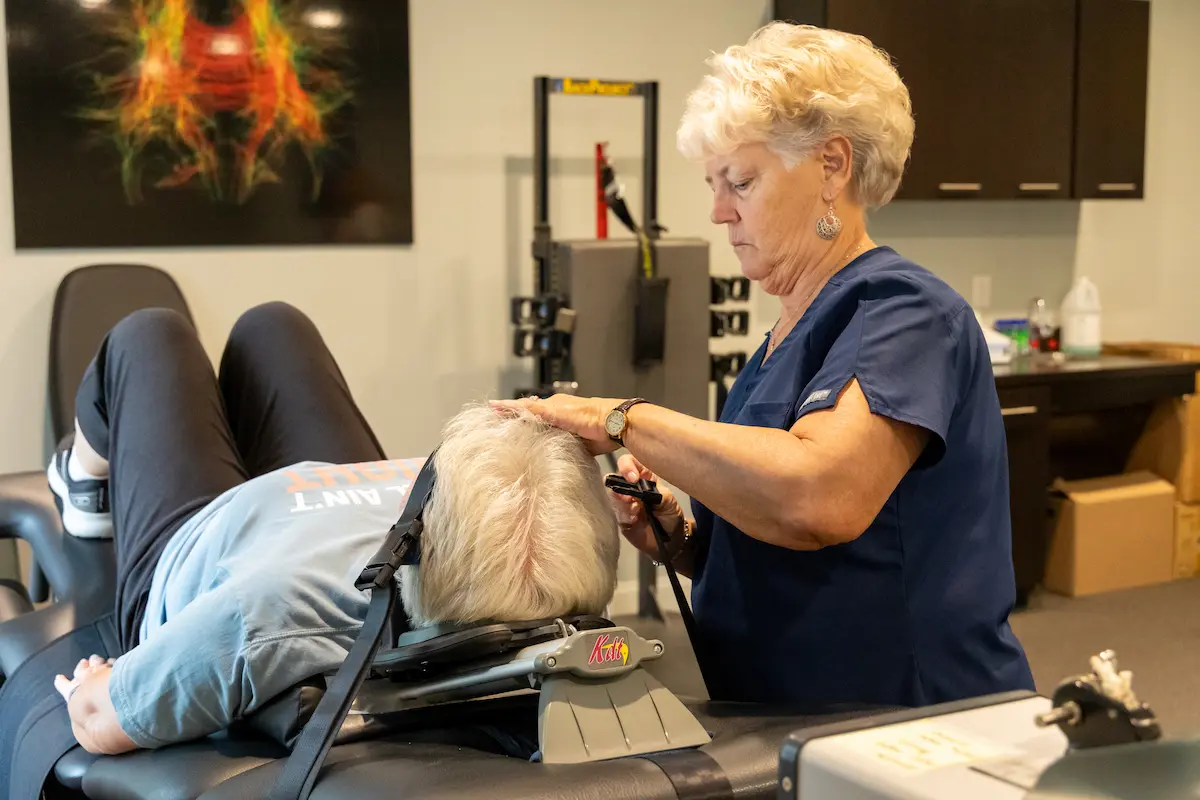
Spinal decompression is a non-surgical therapy designed to relieve pressure on compressed discs and nerves. During a session, a specialized table gently stretches the spine in a controlled, comfortable way. This creates a negative pressure environment inside the disc, which can help bulging or herniated material retract away from the nerve it has been pressing on.
That reduction in pressure does two things. First, it takes the mechanical load off the nerve that has been causing pain, numbness, or that shooting sensation down the leg. Second, it allows oxygen, water, and nutrients to flow back into the damaged disc, supporting the body’s own healing process. This is very different from just masking pain with medication. Decompression addresses the actual mechanical problem causing the pain in the first place.
At Spine Care in Seneca, spinal decompression is one of the core therapies Dr. Eric Blundy uses to help patients avoid surgery altogether.
Conditions That Respond Well to Decompression
Not every type of back pain calls for decompression, but for the right conditions, it can be remarkably effective. Patients dealing with the following often see meaningful improvement:
- Herniated or bulging discs
- Degenerative disc disease
- Sciatica and radiating leg pain
- Chronic low back pain that has not responded to rest or basic stretching
- Spinal stenosis
If you have already tried chiropractic adjustments alone and still have pain that travels into your leg or has not fully resolved, decompression may be the missing piece that gets you the rest of the way there.
What a Decompression Session Feels Like
Many patients expect decompression to be uncomfortable, but most describe it as relaxing. You lie comfortably on the table while it applies a gentle, rhythmic stretching and releasing motion to your spine. There is no popping, cracking, or sudden movement involved. A typical session runs around twenty to thirty minutes, and most treatment plans involve a series of sessions rather than a single visit, since the disc needs time to respond and heal.
Before starting decompression, Dr. Blundy performs a full evaluation to confirm it is the right fit for your specific condition. Not every patient is a candidate. Those with certain fractures, severe osteoporosis, or specific implants may need a different approach, and that screening process is part of what makes this a safe, individualized form of care rather than a one-size-fits-all treatment.
Why Try Decompression Before Considering Surgery
Surgery is sometimes necessary, particularly in cases involving severe nerve damage or loss of bowel or bladder function. But for the large majority of disc and nerve-related back pain, conservative care gets people back to their normal lives without ever needing an operation.
Choosing decompression first comes with real advantages:
- No hospital stay or lengthy recovery period
- No risk of surgical complications
- The disc’s natural structure stays intact
- Addresses the mechanical cause of pain rather than just removing the affected disc
Your body also has a natural ability to reabsorb disc material over time once the pressure causing the problem is relieved. Decompression works with that natural healing process instead of bypassing it.
What to Expect at Your First Visit
Your first visit at Spine Care starts with a thorough evaluation. Dr. Blundy needs to understand exactly which disc is involved, how much nerve involvement is present, and what likely caused it before recommending any treatment plan. This typically includes a review of your health history, orthopedic and neurological testing, and X-ray imaging when appropriate.
Most patients begin noticing improvement within the first several visits, though full recovery timelines vary depending on how long the condition has been present and its severity. Dr. Blundy will walk you through a realistic timeline based on your specific situation rather than a generic promise.
Real Patients, Real Results
Nothing tells the story better than the people who have already been through it. You can read what patients throughout the Seneca area have experienced with their own care on our testimonials page.
Ready to Explore Non-Surgical Relief?
If you have been told surgery is your next step, it is worth exploring whether spinal decompression could help you avoid it altogether. Learn more about Dr. Eric Blundy and reach out through our contact page to schedule an evaluation.