Table of Contents
An arthritis diagnosis after 50 does not mean joint replacement is your only path forward. Effective arthritis treatment in Seneca, SC centers on calming joint inflammation, supporting the healthy tissue you still have, and keeping the joint moving, because motion is what keeps an arthritic joint working. For many people, non-surgical care can ease pain and delay or even avoid surgery, especially when it starts before the joint is badly worn.
If a doctor has told you that surgery is “just a matter of time,” it is worth knowing that plenty happens between a diagnosis and an operating room. The choices you make now can shape how well your joints hold up for years.
What Arthritis Does to a Joint
Arthritis is the gradual breakdown of cartilage, the smooth cushion that lets bones glide against each other. As that cushion thins, the joint gets stiffer, more inflamed, and more painful, particularly in the knees, hips, and shoulders.
The frustrating part is that the process tends to feed itself. A sore joint gets used less, the surrounding muscles weaken, and the joint takes on stress it is less equipped to handle. Breaking that cycle is a big part of managing arthritis well.
The Myth That Rest Protects Arthritic Joints
Many people assume the safest thing for an arthritic joint is to rest it. In reality, too much rest often makes things worse. Cartilage relies on movement to stay nourished, and the muscles that support the joint weaken when they are not used.
That does not mean pushing through sharp pain or ignoring your limits. It means the goal is smart, consistent motion rather than shutting the joint down. The right kind of movement is protective, not harmful.
Which Joints Respond Best to Non-Surgical Care
Arthritis can affect almost any joint, but some respond especially well to non-surgical care. The knees, hips, and shoulders are among the most common areas we treat, and they tend to do well when the goal is to reduce load and support the tissue rather than replace the joint.
Knee arthritis often improves when the surrounding muscles are strengthened and inflammation is brought down, since the joint carries so much of your body weight with every step. Hip arthritis responds to similar principles, and it is worth noting that hip pain sometimes traces back to the lower spine rather than the joint itself. Shoulder arthritis, while less weight-bearing, benefits from restored movement and reduced inflammation so the joint does not stiffen further.
Non-Surgical Ways to Ease Arthritis Pain
The aim of non-surgical care is to reduce inflammation and support the joint so you can keep using it. At Spine Care, two therapies do much of this work.
Regenerative Medicine
Regenerative medicine works at the cellular level to calm inflammation and support tissue repair in the joint. Options such as PRP, which uses components from your own blood, are used to encourage the body’s healing response. It is minimally invasive and often chosen by people specifically trying to avoid joint replacement.
This approach can be a strong fit for arthritic knees, hips, and shoulders. Our article on whether regenerative medicine can delay knee replacement goes deeper into how this works for the knee.
Shockwave and Softwave Therapy
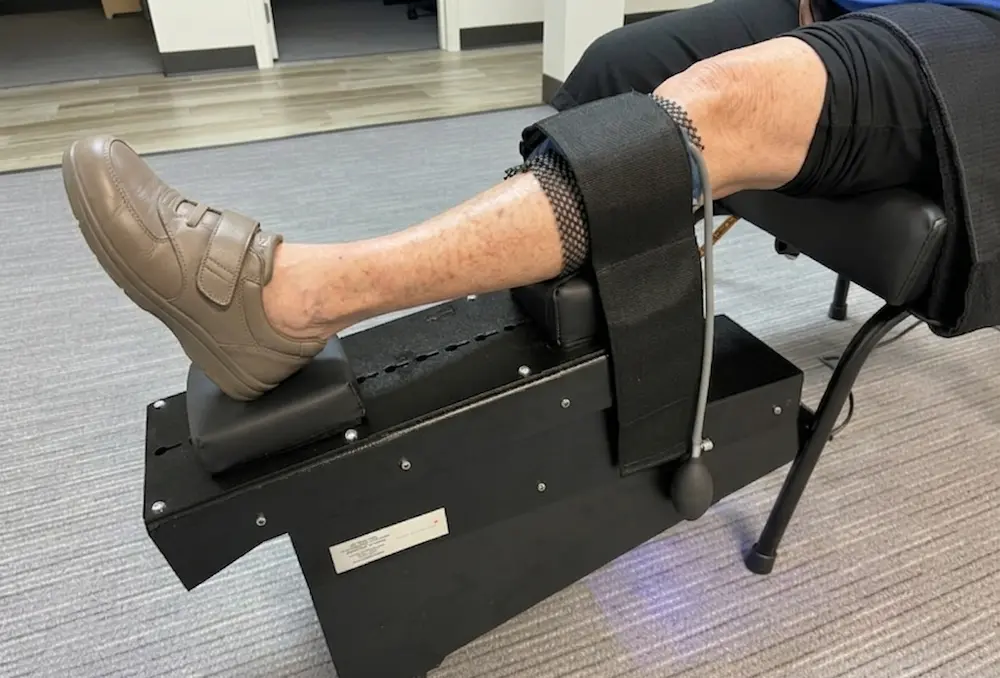
Shockwave therapy uses acoustic waves to reduce chronic inflammation and stimulate healing in and around the joint. Sessions are short and non-invasive, and the therapy pairs well with regenerative care for stubborn arthritic pain.
Staying Active Without Wearing the Joint Down
Keeping an arthritic joint moving is one of the best things you can do, but how you move matters. Low-impact activity like walking, swimming, or cycling keeps joints nourished without the pounding that aggravates them.
Strengthening the muscles around a joint also takes load off the worn surfaces. For an arthritic knee, for example, stronger hips and thighs share the work so the joint itself is not carrying everything. If knee arthritis is your main concern, our page on knee pain covers the options in more detail.
Consistency matters more than intensity here. A daily walk and a simple strengthening routine you actually stick with will do more for an arthritic joint than an occasional hard workout that leaves you sore for days.
Why It Helps to Start Sooner
Arthritis is progressive, which means the joint tends to change over time whether or not you act. Starting care earlier gives you more tissue to work with and more options to consider before the damage is advanced.
Waiting until a joint is severely worn does not make it easier to treat. It usually narrows the path and moves surgery closer, which is the opposite of what most people want. Even if you are not in constant pain yet, addressing stiffness and early inflammation now can pay off later.
What to Expect at Spine Care
Care here does not start with a rushed adjustment. Your first visit is a full evaluation of the affected joints and how you move, with imaging if it is needed. The second visit is set aside to review the findings and build a plan around your specific situation.
As a chiropractor practicing since 2004, Dr. Eric Blundy has spent years helping people across the Upstate stay active with arthritis rather than resign themselves to surgery. The plan is built to fit your joints and your goals, whether that is gardening, chasing grandkids, or simply moving without stiffness.
Because Spine Care combines chiropractic, regenerative medicine, and rehab under one roof, your plan can pull from more than one approach rather than relying on a single tool. For arthritis, that often means combining hands-on care to keep the joint moving with therapies that target the inflammation and tissue directly.
Frequently Asked Questions
Can arthritis be reversed?
Lost cartilage cannot be fully regrown, so honesty matters here. The realistic goal is to reduce pain and inflammation, support the tissue you have, and keep the joint functional, which can meaningfully improve daily life and delay surgery.
Am I too old for non-surgical care?
Age alone rarely rules it out. What matters more is the condition of the joint and your overall health, which is exactly what the initial evaluation is designed to assess.
Does cracking or grinding in my joint mean it is getting worse?
Not on its own. Plenty of joints make noise without being damaged. What matters more is whether the joint hurts, swells, or is losing motion, which is what the evaluation looks at.
Will I still need surgery eventually?
Some people do, and non-surgical care is not a guarantee against it. For many, though, conservative treatment eases symptoms enough to delay or avoid surgery, especially when started earlier rather than later.
Keep Moving on Your Terms
Arthritis does not have to mean giving up the activities you love or waiting for surgery. Call Spine Care in Seneca at (864) 882-5191 or reach out through our contact page to book an evaluation. New patients can start with our $79 New Patient Special. Move Freely. Live Fully.