Table of Contents
The most common sciatica home-care mistakes are resting too much, doing the wrong stretches, leaning only on painkillers, and ignoring warning signs that need professional care. Sciatica often improves with the right approach at home, but a few well-meaning missteps can slow your recovery or make the pain worse. Knowing what to avoid is just as important as knowing what to do. For people managing sciatica in Seneca and across the Upstate, these are the mistakes to watch for.
Mistake 1: Resting Too Much
When your leg is on fire, lying down feels like the only sensible option. A day or two of taking it easy is fine, but too much bed rest works against you.
Prolonged inactivity stiffens the spine, weakens the muscles that support it, and can actually prolong sciatica. Gentle movement keeps blood flowing and helps the nerve settle. The goal is to stay as active as your pain reasonably allows, not to shut down completely.
Mistake 2: Doing the Wrong Stretches
Stretching can help sciatica, but the wrong moves can aggravate it. Aggressive forward bends or forcing a stretch that sharply increases your leg pain can irritate an already angry nerve.
Not every sciatica case responds to the same stretches, because the underlying cause differs from person to person. A stretch that helps one person can worsen another. If a movement makes your symptoms shoot further down the leg, that is a signal to stop, not to push harder.
Mistake 3: Relying Only on Pain Medication
Over-the-counter pain relievers can take the edge off, and there is nothing wrong with short-term relief. The mistake is treating medication as the whole plan.
Painkillers mask the symptom without touching what is compressing the nerve. Lean on them alone and the underlying problem keeps going unaddressed, which is a common reason sciatica lingers or keeps returning.
Mistake 4: Using Heat or Ice at the Wrong Time
Heat and ice both have a place, but timing matters. Reaching for the wrong one can be less helpful than people expect.
Ice is generally more useful in the early, acute stage to calm inflammation, while heat can help relax tight muscles a bit later on. Many people default to heat right away, which sometimes does little for an inflamed nerve. If one consistently feels better than the other for you, that is worth paying attention to.
Mistake 5: Pushing Through Red-Flag Symptoms
Toughing it out is the riskiest mistake of all. Some symptoms are not meant to be managed at home.
Get medical care promptly if you notice worsening weakness in your leg or foot, and seek emergency care right away for any loss of bladder or bowel control or numbness around the groin. These are signs the nerve may be under serious pressure, and waiting can carry real consequences.
Mistake 6: Never Addressing the Root Cause
Even when home care calms a flare, the relief can be temporary if the source is left alone. Sciatica is a symptom, usually of an irritated nerve in the lower back, so the pain tends to return until that cause is addressed.
This is why sciatica has a habit of coming back. Our post on why sciatica comes back digs into that cycle, and understanding how long sciatica takes to heal can set realistic expectations while you recover.
What to Do Instead
Managing sciatica well at home comes down to a few steadier habits. Keep moving gently, choose stretches that ease rather than sharpen your symptoms, use medication only as a short-term bridge, and pay attention to what your body is telling you.
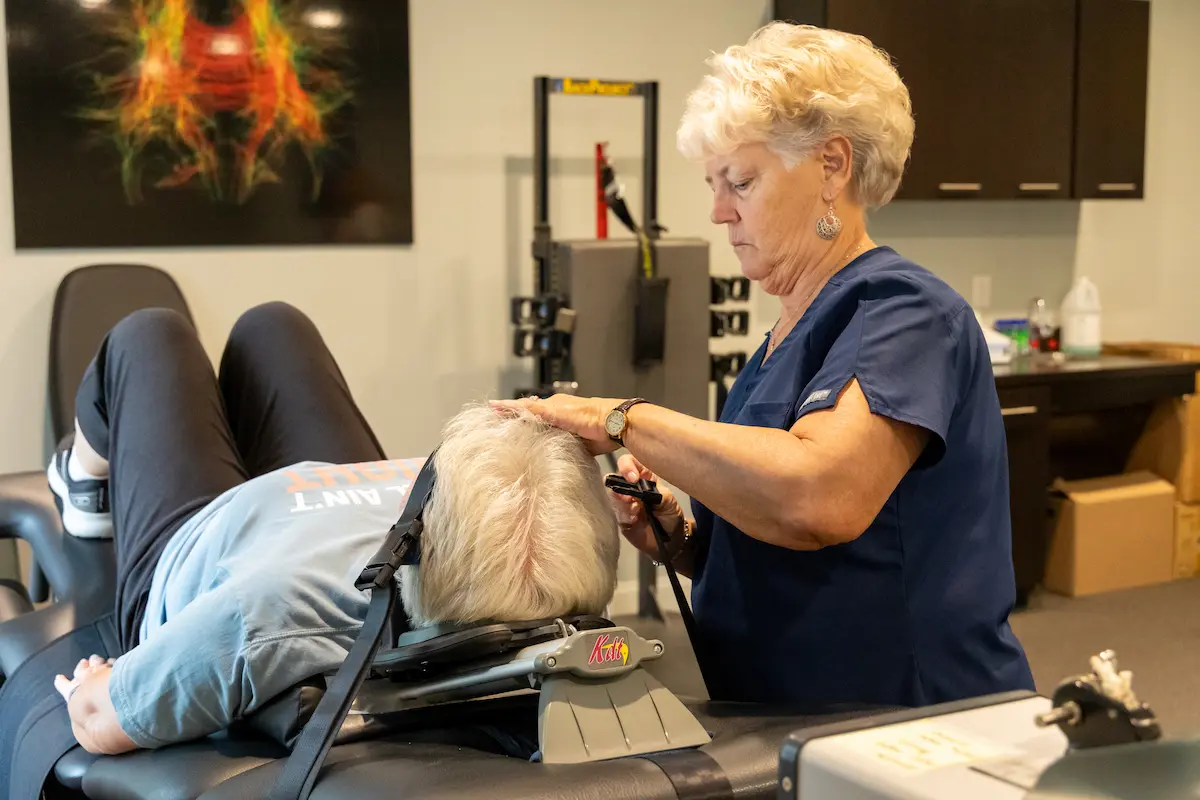
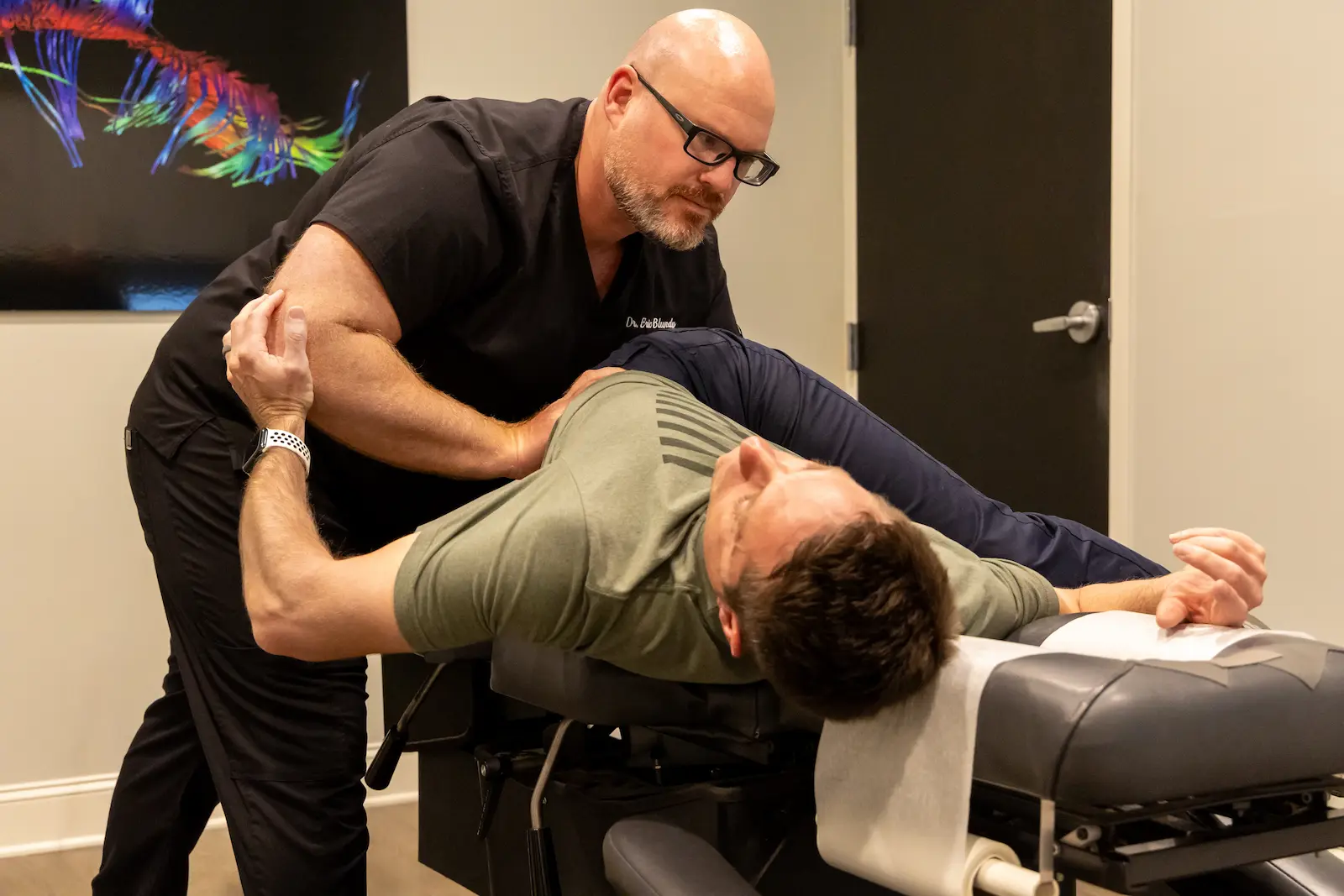
When home care is not enough, professional treatment can address the actual source. Spinal decompression can reduce pressure on a disc that is irritating the nerve, while chiropractic care helps restore proper movement so the nerve is not being pinched with every step.
When to Get Help
If your sciatica is not improving after a couple of weeks of sensible home care, keeps returning, or comes with any of the warning signs above, it is time for an evaluation. At Spine Care, Dr. Eric Blundy is a Board-Certified Chiropractic Neurologist and Registered Nurse, a background that helps with stubborn nerve-related pain. You can read more about how we treat sciatica at our Seneca clinic, where patients come from across the Upstate.
Move Freely. Live Fully.
Tired of guessing what will help your sciatica? Let’s find the real cause. Call Spine Care at (864) 882-5191 or get in touch here to schedule an evaluation, and ask about our $79 new patient special.